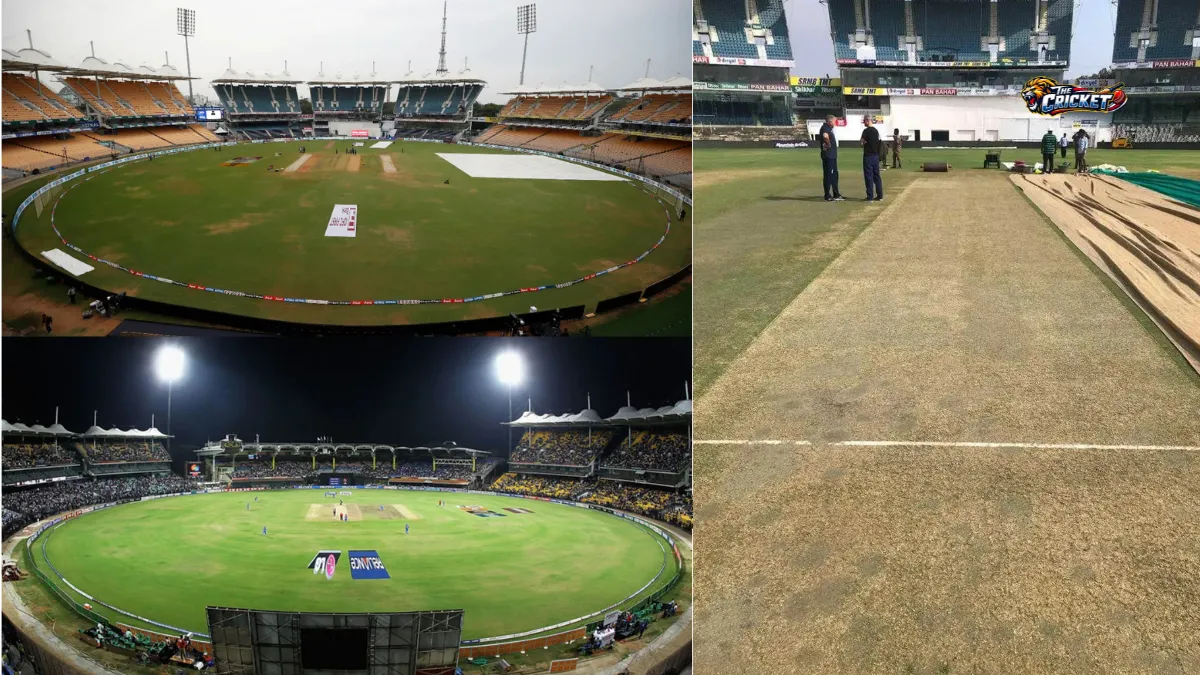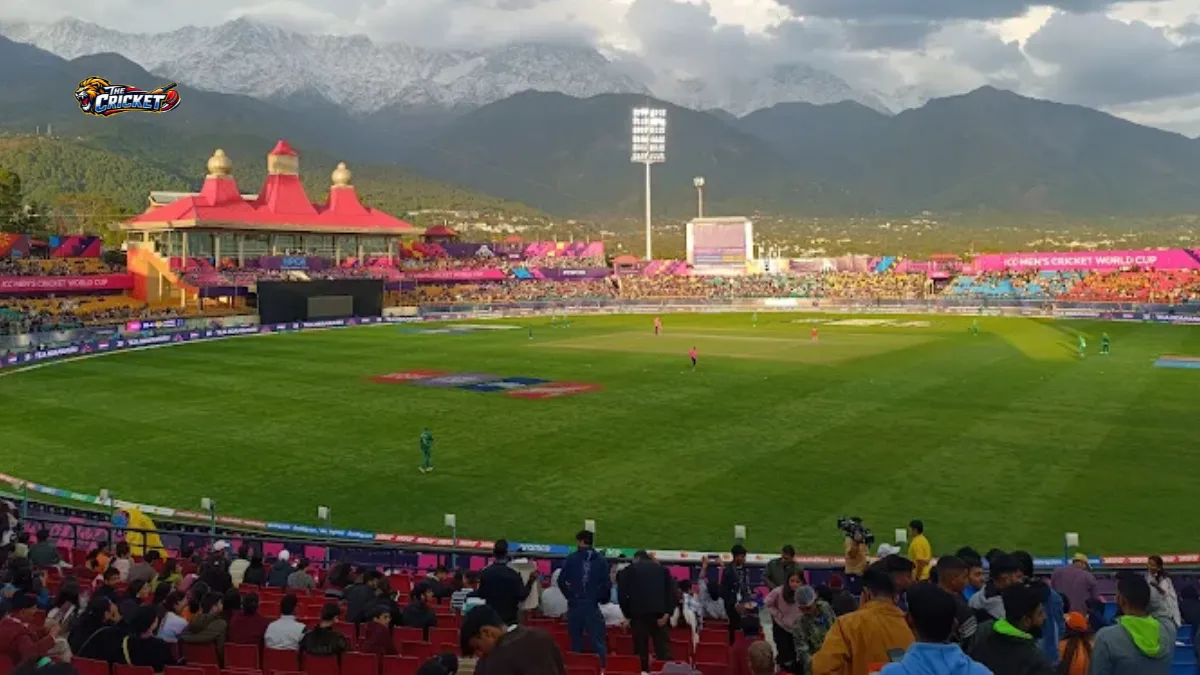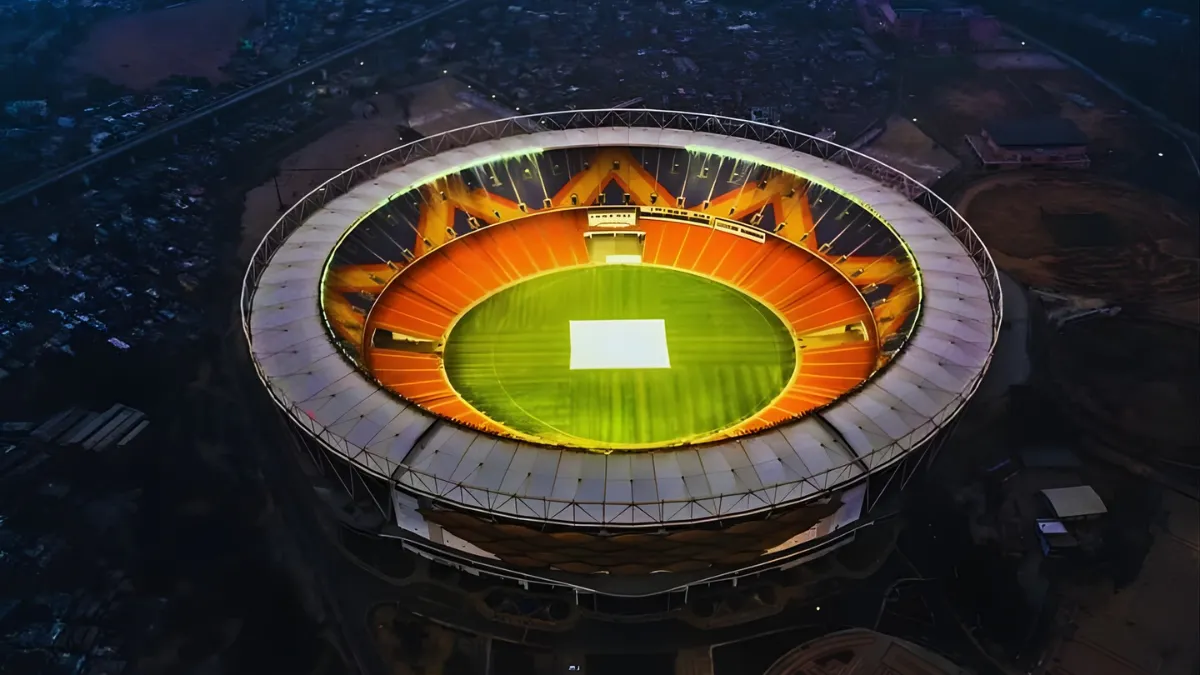
Standing proudly along the banks of the Sabarmati River in Ahmedabad, the Narendra Modi Stadium has become a global landmark in the world of cricket. Recognised as the largest cricket stadium in the world, this architectural marvel is not just a venue-it is a symbol of India’s sporting ambition and infrastructure excellence.
Originally constructed in 1982 with the aim of nurturing cricketing talent in Gujarat, the stadium initially had a seating capacity of around 49,000 spectators. Over the decades, it hosted several historic cricketing moments. However, a bold redevelopment plan in 2015 transformed it into an arena of unprecedented scale and modernity.
Vision Behind the Redevelopment
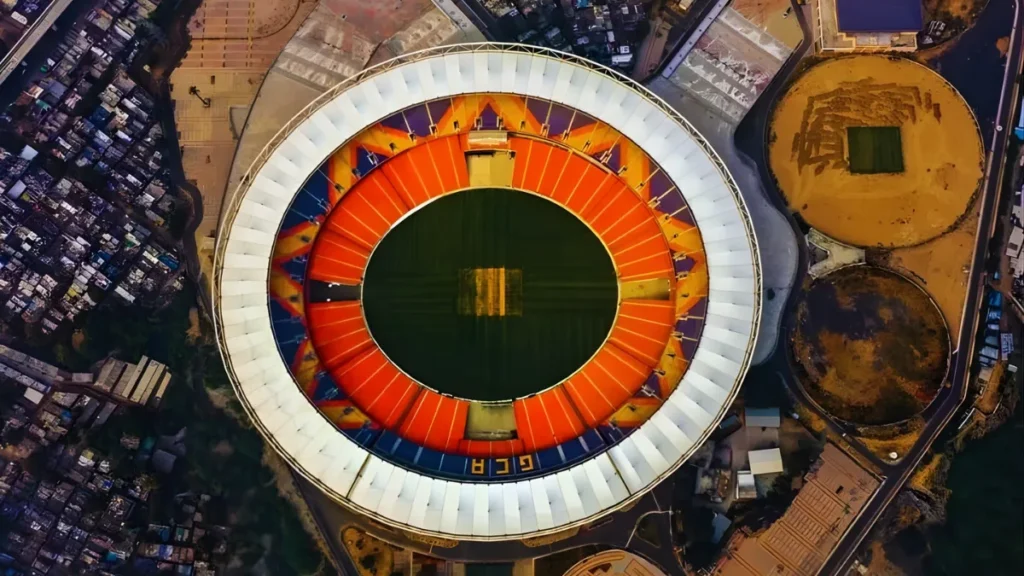
In October 2015, the Gujarat Cricket Association (GCA), under the leadership of then GCA President and current Prime Minister Narendra Modi, approved a comprehensive reconstruction of the stadium. The goal was ambitious: to build the largest cricket stadium in the world.
By February 2020, the redevelopment was complete. The newly designed Narendra Modi Stadium now boasts a staggering seating capacity of more than 130,000 spectators, comfortably surpassing Australia’s iconic Melbourne Cricket Ground, which can accommodate around 90,000 fans.
This massive expansion positioned India at the forefront of global cricket infrastructure and redefined what a sporting venue could achieve in terms of scale and facilities.
Key Specifications of Narendra Modi Stadium
The Narendra Modi Stadium is spread across an impressive 63 acres and is designed with cutting-edge facilities to support international cricket events, domestic tournaments, and large-scale global gatherings.
Below is a detailed overview of its specifications:
| Feature | Details |
|---|---|
| Total Area | 63 acres |
| Entry Points | 4 main entry gates |
| Field Size | 180 yards x 150 yards |
| Seating Capacity | 130,000+ spectators |
| Corporate Boxes | 76 boxes (25 seats each) |
| Dressing Rooms | 4 team dressing rooms with attached facilities |
| Practice Facilities | 6 indoor practice pitches & 3 outdoor practice fields |
| Cricket Academy | Indoor academy with dormitory for 40 athletes |
World-Class Facilities
One of the standout aspects of the Narendra Modi Stadium is its emphasis on athlete comfort and training infrastructure. Unlike most cricket grounds that offer two dressing rooms, this stadium features four fully equipped dressing rooms, enabling seamless back-to-back matches without logistical delays.
Additionally, the stadium houses six indoor practice pitches and three outdoor practice fields, ensuring teams have ample preparation space regardless of weather conditions. The presence of an indoor cricket academy with residential facilities for 40 athletes further highlights its commitment to grassroots development and long-term cricketing excellence.
Corporate spectators are also catered for with 76 premium corporate boxes, each offering seating for 25 guests, making the stadium suitable for high-profile events and global tournaments.
Historic Moments at Narendra Modi Stadium
Over the years, the Narendra Modi Stadium has witnessed several unforgettable milestones in international cricket.
Sunil Gavaskar’s 10,000 Test Runs
During the 1986–87 series against Pakistan, Indian cricket legend Sunil Gavaskar became the first cricketer in history to score 10,000 runs in Test cricket. This achievement marked a defining moment in cricket history and elevated India’s presence on the global stage.
Kapil Dev Breaks a World Record
In February 1994, Kapil Dev claimed his 432nd Test wicket at this very venue, surpassing Richard Hadlee to become the highest wicket-taker in Test cricket at that time. The record-breaking moment was celebrated across the cricketing world.
Anil Kumble’s Bowling Brilliance
On 8 February 1994, Anil Kumble delivered a sensational bowling performance against Sri Lanka, claiming 11 wickets in the match—one of the finest displays by an Indian spinner at the venue.
AB de Villiers’ Double Century
In 2008, South African star AB de Villiers scored a commanding double century against India during the second Test of South Africa’s tour. His innings remains one of the most memorable performances by an overseas batsman in India.
India’s 2011 World Cup Quarterfinal Victory
During the 2011 ICC Cricket World Cup, India defeated Australia in a high-pressure quarterfinal clash at the Narendra Modi Stadium. The victory played a crucial role in India’s journey toward lifting the World Cup trophy that year.
Sachin Tendulkar’s 30,000 International Runs
In 2013, cricket icon Sachin Tendulkar became the first batsman in history to reach 30,000 international runs at this venue—another historic milestone etched into the stadium’s legacy.
Also read: Pallekele International Cricket Stadium Photos: A Complete Guide with Photos, Records and Key Facts
Beyond Cricket: A Global Event Venue
The Narendra Modi Stadium is not limited to cricket alone. On 24 February 2020, it hosted the “Namaste Trump” event, marking the inaugural visit of then US President Donald Trump to India. The event drew an enormous crowd and demonstrated the stadium’s capability to host large-scale international gatherings.
Also read: Narendra Modi Stadium Pitch Report: Full Surface Analysis, Records, Conditions and Match Insights
A Symbol of Modern India
Today, the Narendra Modi Stadium stands as more than just a sporting venue—it is a symbol of India’s growing global influence in sports infrastructure. With state-of-the-art facilities, record-breaking seating capacity, and a rich history of cricketing milestones, it has firmly established itself as a crown jewel of world cricket.
From legendary batting feats to historic bowling records and global diplomatic events, the Narendra Modi Stadium continues to write new chapters in sporting history. As international tournaments return to Ahmedabad, this world-class arena is set to remain at the heart of cricket’s biggest moments for decades to come.