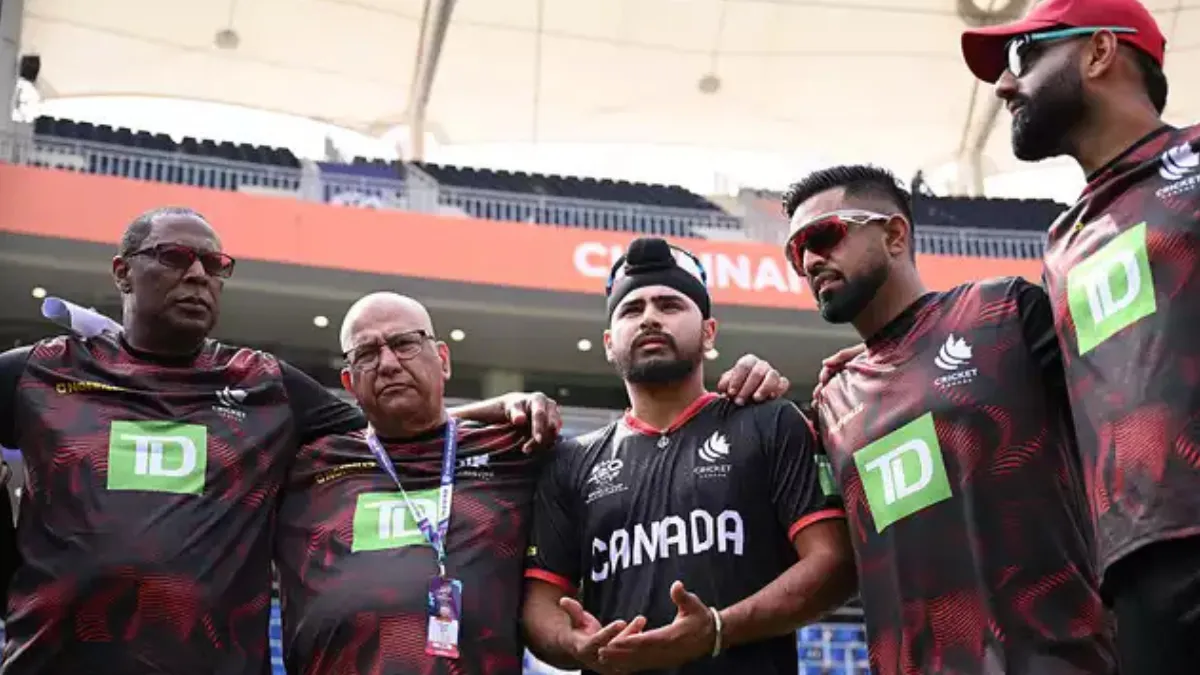
ICC: The Canada T20 World Cup Match-Fixing Investigation has taken center stage in international cricket after serious allegations of corruption, governance failures, and possible manipulation of matches emerged through a high-profile documentary. The issue has not only raised concerns about the integrity of Canada’s cricket structure but has also triggered active investigations by the International Cricket Council (ICC), specifically its Anti-Corruption Unit (ACU).
The controversy stems from claims linked to Canada’s participation in the ICC Men’s T20 World Cup, co-hosted by India and Sri Lanka, as well as allegations involving internal governance issues within Cricket Canada. With multiple investigations underway, the situation represents one of the most significant integrity challenges faced by Canadian cricket in recent years.
Documentary Sparks Global Attention
The controversy came to light following the release of a 43-minute investigative documentary titled “Corruption, Crime and Cricket”, produced by the fifth estate, a respected investigative program aired on CBC. The documentary presented a series of allegations involving corruption, mismanagement, and potential match-fixing incidents within Canadian cricket.
The film’s revelations have not only shocked cricket followers in Canada but have also drawn international scrutiny. It suggests systemic issues that go beyond isolated incidents, painting a troubling picture of governance failures and alleged unethical practices at multiple levels of the sport.
ICC Anti-Corruption Unit Launches Investigations
Following the documentary’s broadcast, the ICC confirmed that its Anti-Corruption Unit is actively investigating multiple allegations connected to Canadian cricket. According to sources, there are at least two ongoing investigations examining both international and domestic aspects of the sport.
Andrew Ephgrave, interim General Manager of the ICC’s Integrity Unit, acknowledged awareness of the documentary but refrained from commenting on specific allegations. He emphasized that the ACU operates through intelligence gathering, preventive measures, education, and formal investigations, all aimed at safeguarding the integrity of cricket.
The ICC’s cautious stance reflects the seriousness of the matter, as investigations of this nature require substantial evidence before any conclusions can be drawn. However, the mere existence of these inquiries has intensified scrutiny on Canadian cricket.
Focus on Canada vs New Zealand T20 World Cup Match
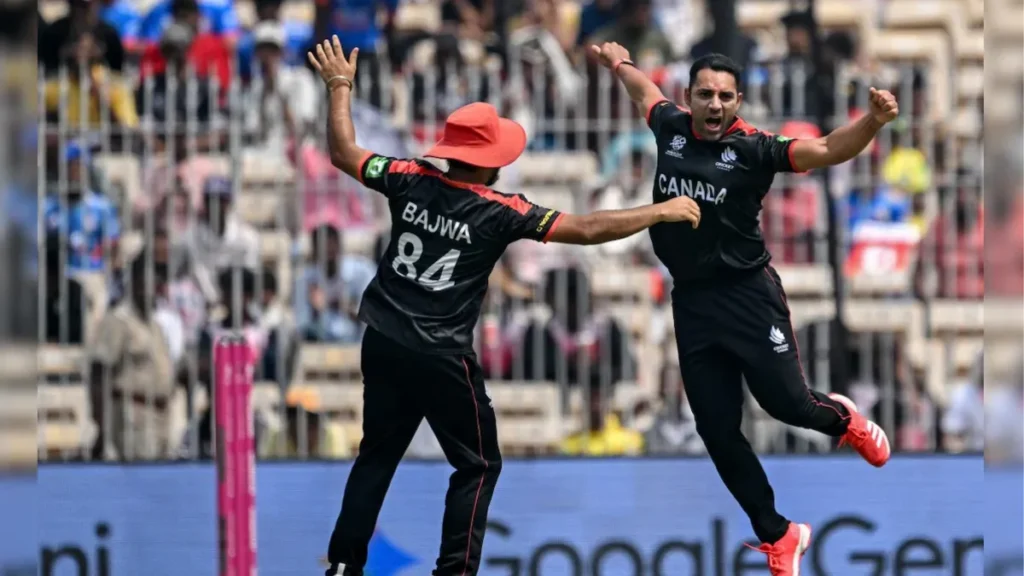
At the heart of the Canada T20 World Cup Match-Fixing Investigation is a specific match between Canada and New Zealand during the T20 World Cup. The documentary raises concerns about a particular over bowled by Canada’s captain Dilpreet Bajwa.
The Over in Question
The incident under scrutiny occurred during New Zealand’s run chase. At the time, New Zealand were positioned at 35 for 2, still requiring a steady innings to secure victory. Bajwa, who had been appointed captain just three weeks before the tournament, brought himself on to bowl the fifth over.
Primarily known as a batting all-rounder who bowls off-spin, Bajwa’s decision to bowl at that stage raised questions, particularly given the match context. Canada had started with pace bowlers, including Jaskaran Singh and Dilon Heyliger, but both conceded expensive overs early on.
In response, Canada turned to spin earlier than expected. Saad bin Zafar delivered a wicket maiden in the third over, briefly shifting momentum in Canada’s favor. Heyliger followed up with a wicket in the fourth over, putting pressure on New Zealand.
However, Bajwa’s fifth over proved costly. He began with a no-ball, followed by a wide delivery down the leg side, and ultimately conceded 15 runs in the over. The documentary suggests that this sequence of events has drawn suspicion, though no formal charges or conclusions have been announced.
Leadership Under the Spotlight
Bajwa’s role in the match has added another layer to the investigation, especially considering his recent appointment as captain at just 22 years old. The timing of his leadership promotion—mere weeks before a major global tournament—has raised questions about decision-making processes within Cricket Canada.
While young captains are not uncommon in modern cricket, the combination of inexperience and the high-pressure environment of a World Cup has fueled speculation about whether external influences may have played a role in tactical decisions.
Separate Investigation: Allegations of Selection Pressure
Beyond the World Cup match itself, the ICC’s Anti-Corruption Unit is also examining a separate but equally concerning issue involving alleged interference in team selection.
A leaked audio recording featuring former Canada coach Khurram Chohan forms the basis of this investigation. In the recording, Chohan claims that senior board members pressured him to include specific players in the national team.
The allegations suggest that selection decisions may not have been based purely on merit, raising serious questions about fairness and transparency in team management. The recording also contains references to potential match-fixing attempts, although investigators have reportedly faced challenges in verifying these claims with concrete evidence.
Former Coach Alleges Coercion
Adding further weight to the controversy, another former coach, Pubudu Dassanayake, has made similar allegations. In the documentary, Dassanayake claims that he was pressured to select certain players for the 2024 T20 World Cup squad.
According to the report, he resisted these demands and was subsequently warned that his contract could be terminated. Dassanayake has since taken legal action against Cricket Canada, filing a lawsuit for wrongful dismissal.
These claims point to a pattern of alleged interference in cricketing decisions, suggesting deeper structural issues within the organization.
Governance Crisis Within Cricket Canada
The Canada T20 World Cup Match-Fixing Investigation unfolds against a backdrop of ongoing administrative turmoil within Cricket Canada. Over the past year, the organization has faced multiple controversies involving leadership changes, legal issues, and financial disputes.
One of the most notable incidents involved the appointment and subsequent removal of former CEO Salman Khan. His appointment drew scrutiny from the ICC after it emerged that he had not disclosed prior criminal charges. Khan was later charged with theft and fraud by Calgary Police, although he has denied the allegations.
Leadership instability has further compounded the situation. Earlier this month, Arvinder Khosa was elected as the new board president, replacing Amjad Bajwa. The frequent changes at the top have raised concerns about the organization’s ability to maintain consistent governance.
Financial Issues and Player Concerns
The documentary also highlights financial challenges faced by Canadian players. Reports indicate that prize money from the 2024 T20 World Cup was delayed, causing frustration among players.
Additionally, national team players were reportedly left without contracts from July 2025 and were later placed on minimal retainers in the months leading up to the next World Cup. Such instability can have a significant impact on player morale and performance, further complicating an already tense situation.
Allegations of Organized Crime Links
Perhaps the most alarming aspect of the documentary involves claims of links to organized crime. A former player alleged that he was threatened, raising serious concerns about the safety and well-being of individuals within the sport.
While the ICC’s Anti-Corruption Unit acknowledged awareness of these allegations, it clarified that such matters fall outside its jurisdiction and are the responsibility of domestic law enforcement agencies.
This distinction underscores the complexity of the situation, as it extends beyond cricket governance into broader legal and criminal domains.
ICC’s Role and Next Steps
The ICC’s Anti-Corruption Unit plays a crucial role in maintaining the integrity of cricket worldwide. Its three core functions—intelligence, prevention and education, and investigation—are designed to address threats to the sport at all levels.
In the case of the Canada T20 World Cup Match-Fixing Investigation, the ACU is expected to continue its inquiries, gathering evidence and working with relevant authorities. However, such investigations can take time, particularly when allegations involve multiple jurisdictions and complex evidence.
Impact on Canadian Cricket’s Reputation
The unfolding controversy has dealt a significant blow to the reputation of Canadian cricket. Once considered an emerging force in international cricket, Canada now faces questions about governance, integrity, and accountability.
The allegations could also have broader implications, potentially affecting sponsorships, player participation, and the country’s standing within the global cricket community.
Also Read: David Warner Arrested in Sydney After Sudden Return From Pakistan Super League
Global Context: Match-Fixing in Cricket
Match-fixing is not a new issue in cricket, but each new allegation serves as a reminder of the sport’s vulnerability to corruption. Over the years, the ICC has strengthened its anti-corruption measures, introducing stricter monitoring and harsher penalties.
The current investigation highlights the importance of vigilance and transparency, particularly as cricket continues to expand into new markets and regions.
Also Read: Yuvraj Singhs Retirement Truth: World Cup Hero Reveals What Really Happened Behind the Scenes
Conclusion
The Canada T20 World Cup Match-Fixing Investigation represents a critical moment for Canadian cricket. With multiple allegations under scrutiny—from suspicious on-field performances to claims of administrative interference—the stakes are high for all parties involved.
While the ICC’s investigations are ongoing and no definitive conclusions have been reached, the controversy has already exposed significant challenges within Cricket Canada. The coming months will be crucial in determining the outcome of these inquiries and the future direction of the sport in the country.
For now, the cricketing world watches closely, awaiting clarity on a case that could have lasting implications for the integrity of the game.