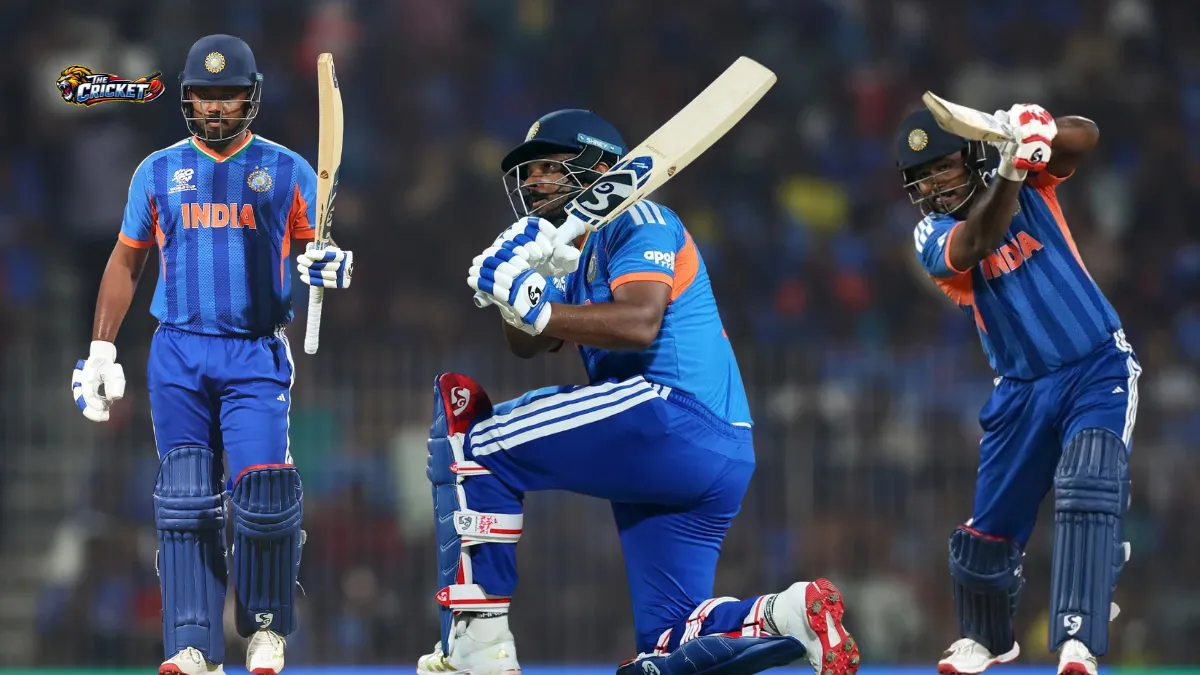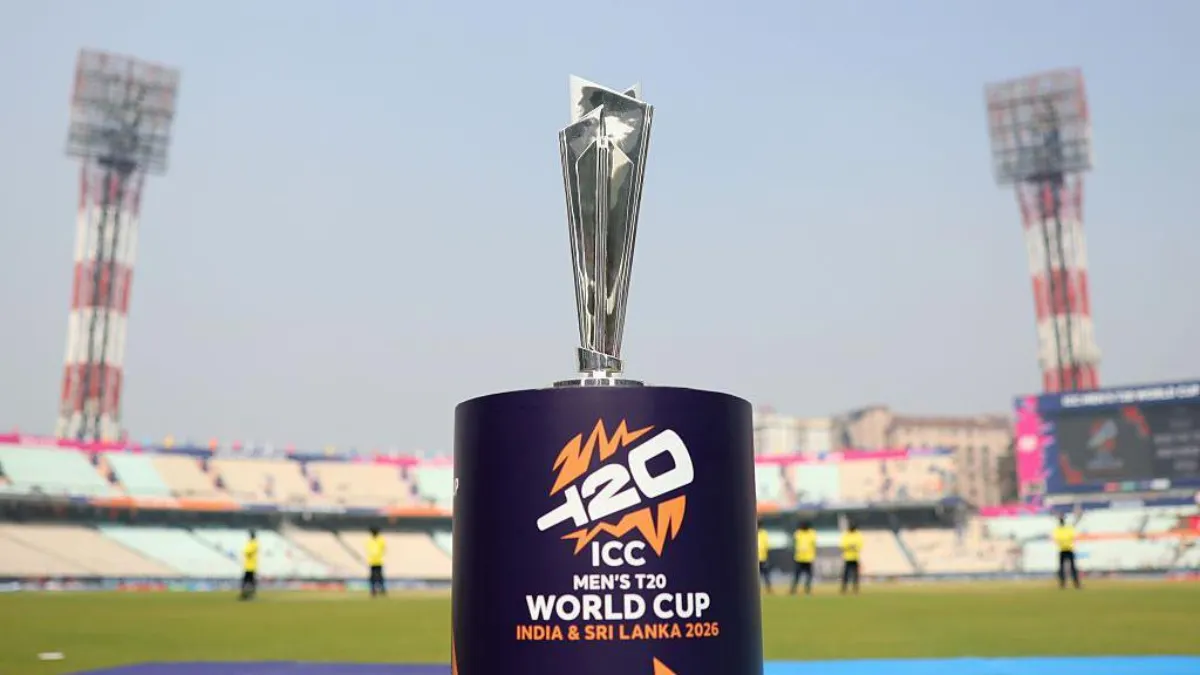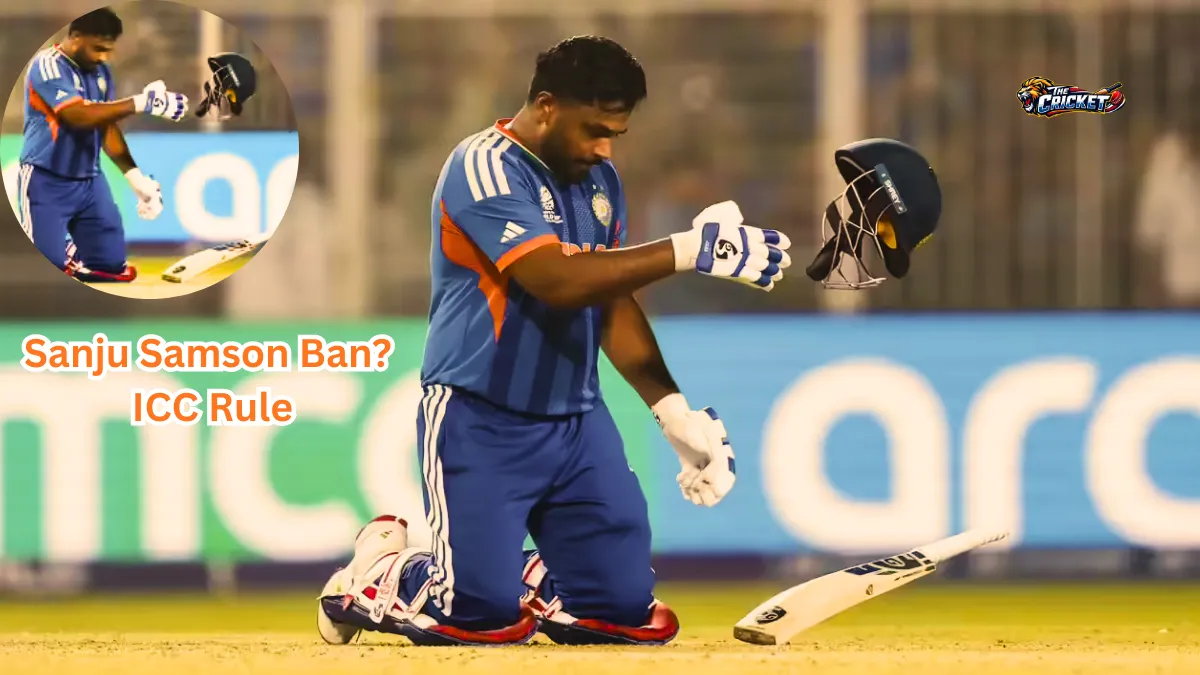
The question “sanju samson ban?” has recently started trending among cricket fans after India’s dramatic victory over the West Indies in the ICC Men’s T20 World Cup 2026. The speculation began after Indian wicketkeeper-batter Sanju Samson’s emotional on-field celebration in Kolkata sparked debate about whether his actions might fall under the International Cricket Council’s disciplinary rules.
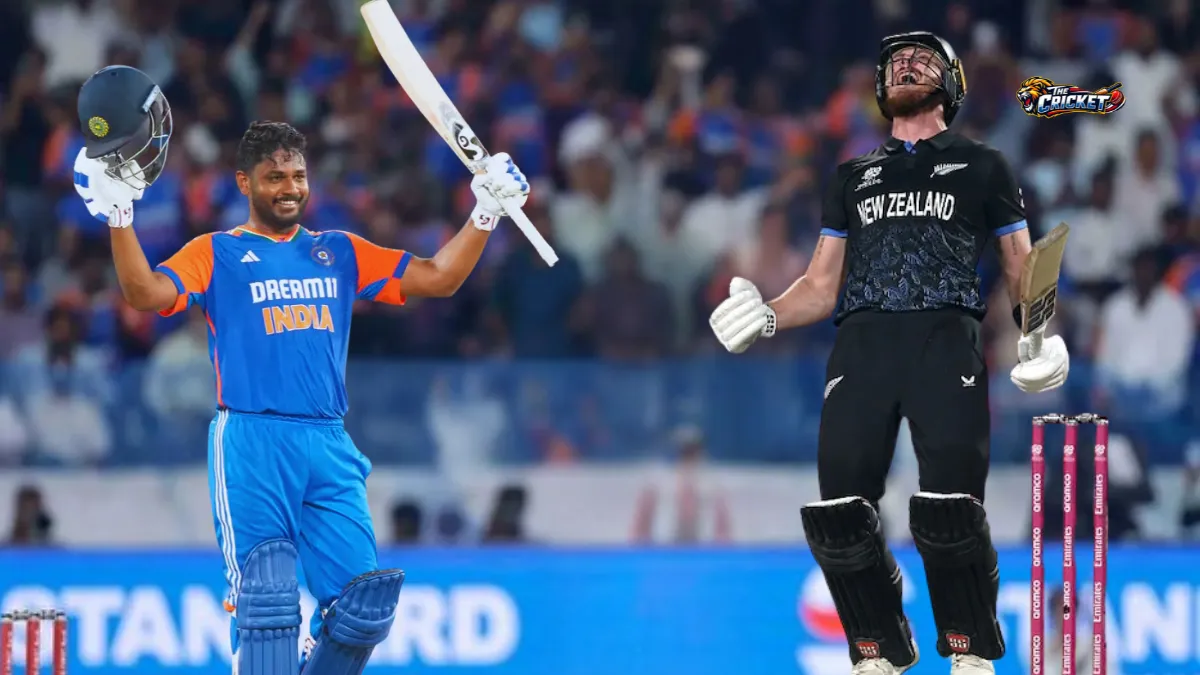
The concern arose after Samson played a crucial role in India’s win. As soon as he struck the match-winning boundary, the batter removed his helmet, dropped it onto the ground, and then went down on his knees to offer a short prayer in celebration. The moment reflected pure emotion and relief after guiding India to an important victory.
However, some observers suggested that dropping the helmet could technically be interpreted as a violation under the ICC Code of Conduct. This triggered discussions across social media platforms and among cricket analysts, with many fans wondering if Samson could face disciplinary action or even miss India’s upcoming semi-final against England.
Why the “Sanju Samson Ban?” Debate Started
The debate stems from Article 2.2 of the ICC Code of Conduct, which addresses the misuse of cricket equipment during a match. According to this rule, players may face penalties if they abuse equipment such as bats, helmets, or stumps.
The rule specifically mentions actions like throwing equipment in anger, striking objects aggressively, or deliberately damaging items such as advertising boards, boundary fences, dressing room fixtures, or other cricket gear.
Because Samson dropped his helmet after the winning shot, some viewers questioned whether the act could be interpreted as “equipment abuse.” However, the context of the action is extremely important in determining whether it actually violates the rules.
ICC Rules on Equipment Abuse
Most incidents involving equipment misuse fall into the category of Level 1 offences, which are considered minor breaches of conduct.
Here is a simple breakdown of the possible penalties under the ICC disciplinary system:
| Offence Level | Description | Possible Penalty |
|---|---|---|
| Level 1 | Minor misconduct such as equipment misuse or excessive celebration | Fine up to 50% of match fee and up to 2 demerit points |
| Level 2 | More serious misconduct or repeated offences | Match suspension and heavier fines |
| Level 3 | Serious misconduct including intimidation | Multi-match ban |
| Level 4 | Severe violations such as threats or physical aggression | Long-term suspension |
Level 1 offences rarely lead to match bans. In most cases, players simply receive a financial fine or a small number of demerit points.
Similar Incident Earlier in the Tournament
A comparable situation occurred earlier during the T20 World Cup 2026 when Scotland batter George Munsey threw his helmet after being dismissed during a match on February 18. Munsey received one demerit point for the incident.
Even in that case, the punishment did not involve a suspension because the offence was classified as Level 1. This example shows how the ICC generally handles such situations.
Former International Umpire Clarifies the Situation
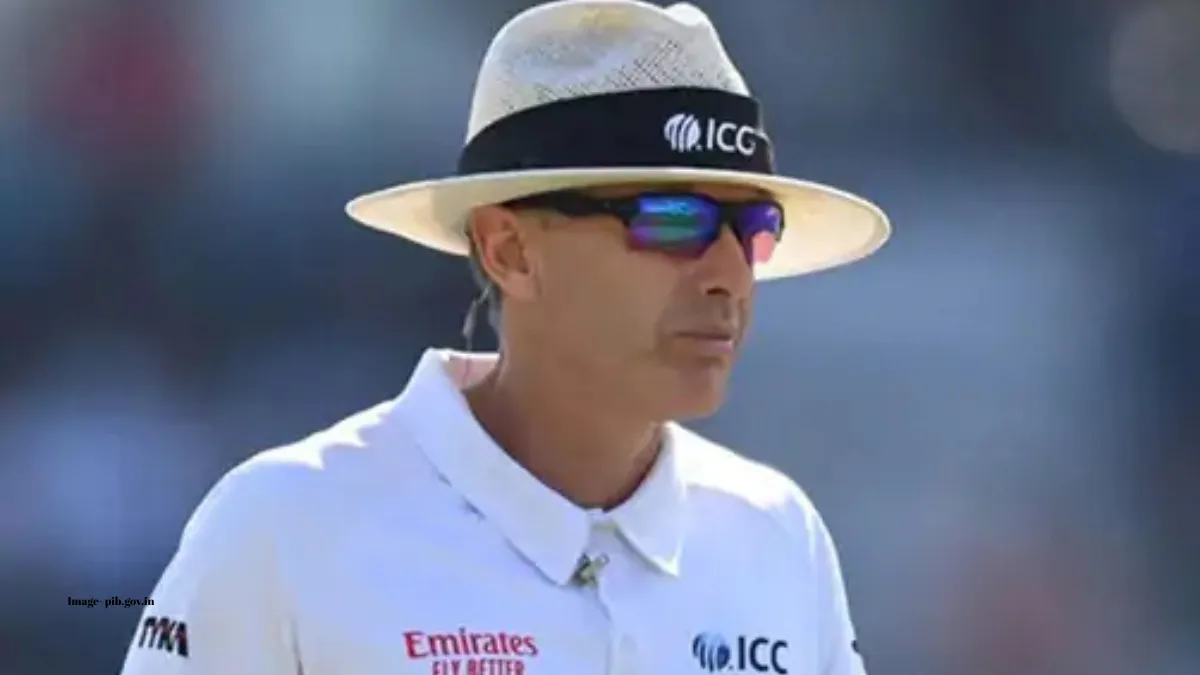
Former international umpire Anil Chaudhary has dismissed the speculation surrounding Samson’s celebration. According to Chaudhary, Samson’s actions were clearly part of an emotional moment rather than an act of anger or frustration.
He explained that context plays a crucial role when match referees review incidents like these. If a player intentionally throws equipment in protest or damages it aggressively, then disciplinary action may follow. However, celebrations after winning moments are usually treated differently.
In Samson’s case, there was no visible attempt to damage the helmet or protest against match officials. Instead, the celebration appeared to be a spontaneous emotional reaction after hitting the winning boundary.
Because of this, Chaudhary believes it is extremely unlikely that Samson would face a ban or suspension.
Also read: Sanju Samson’s Masterclass Powers India Into T20 World Cup Semi-Finals
When Do Players Actually Get Suspended?
A player usually receives a suspension only under certain conditions. The first situation is when an incident is classified as a Level 2 offence or higher, which indicates more serious misconduct.
The second situation occurs when a player accumulates four demerit points within a 24-month period. When that threshold is reached, the points are automatically converted into suspension points, leading to a match ban.
A well-known example of this type of punishment involved Indian women’s team captain Harmanpreet Kaur, who was banned for two matches after an incident that included both equipment abuse and criticism of match officials.
Such circumstances are far more serious than Samson’s celebratory gesture.
Also read: Semifinal World Cup 2026 Line-Up Confirmed After India Knock Out West Indies
Will Sanju Samson Play the Semi-Final Against England?
India are scheduled to face England in the T20 World Cup 2026 semi-final on March 5 at Mumbai’s Wankhede Stadium. Based on current information and expert opinion, there is no strong indication that Samson will miss the match.
Cricket experts believe the “sanju samson ban?” discussion has been exaggerated, and the celebration is unlikely to attract serious disciplinary action.
With the semi-final approaching, fans will be eager to see Samson in action again. After delivering the match-winning boundary against the West Indies, the wicketkeeper-batter is expected to play a key role as India aim to secure a place in the T20 World Cup final.