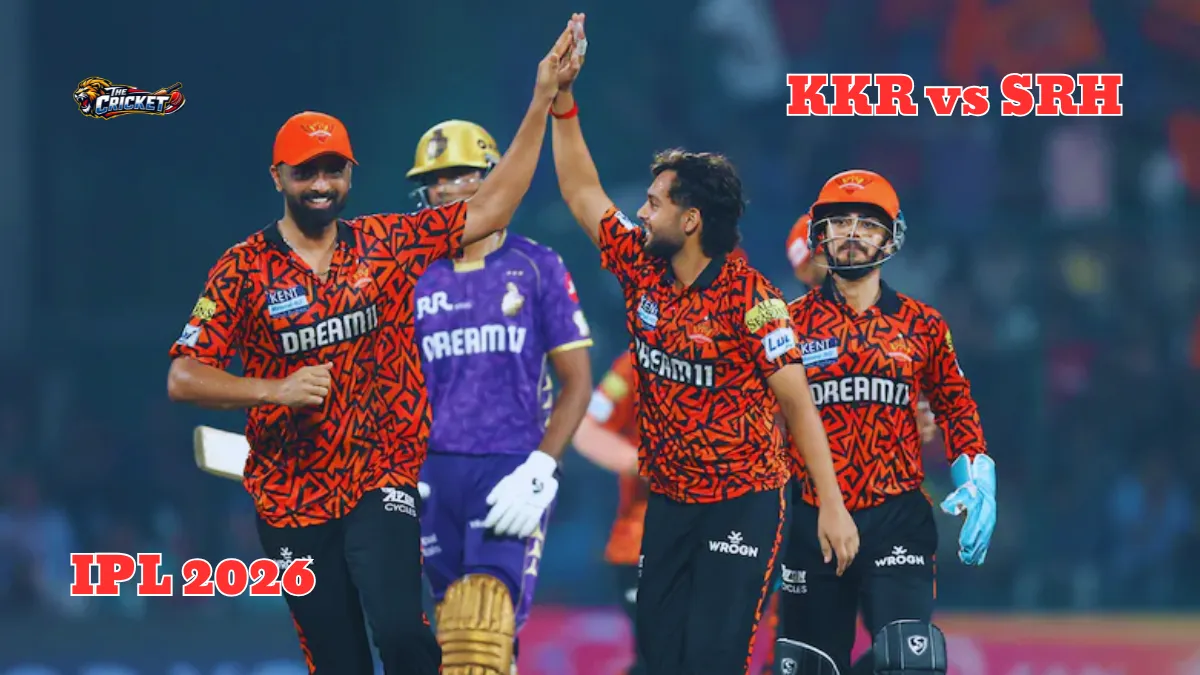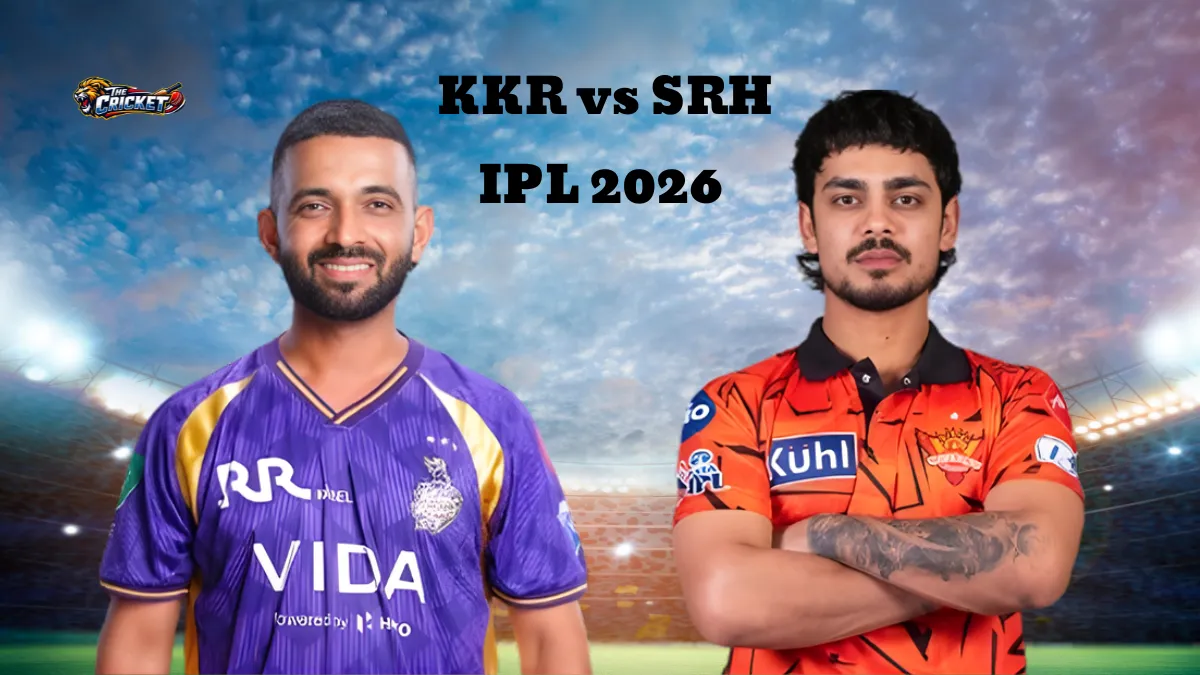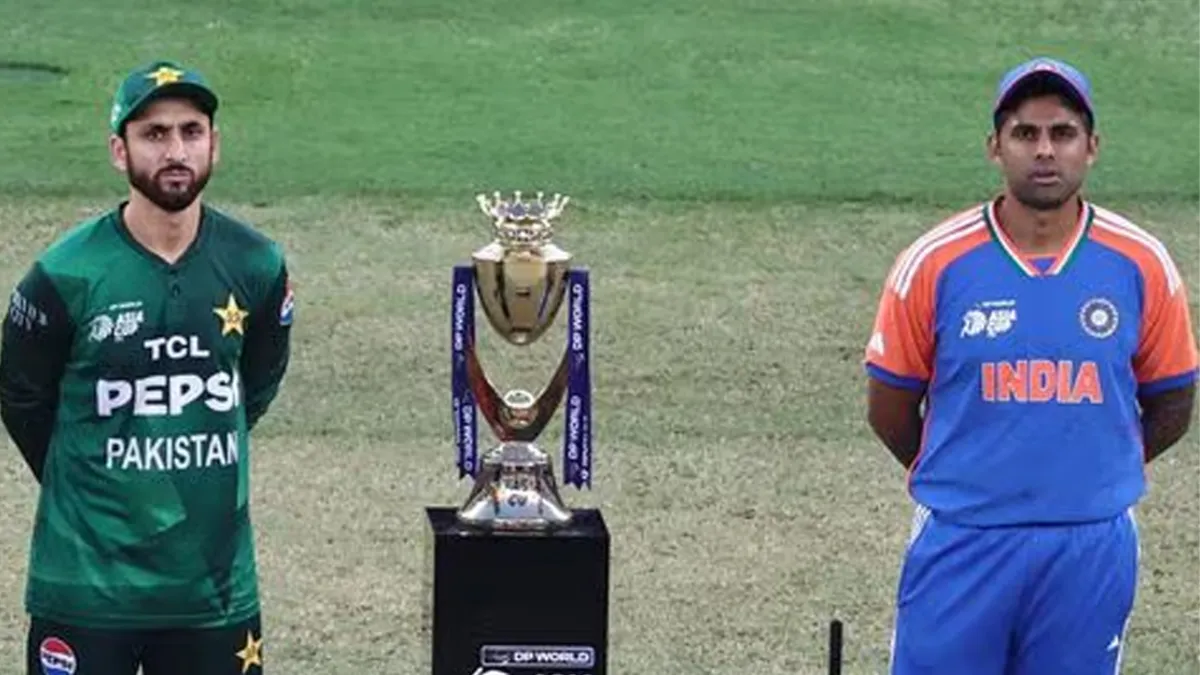
The India vs Pak T20 World Cup controversy has taken a dramatic turn after days of uncertainty, political signaling, and intense negotiations involving cricket boards, governments, and the International Cricket Council (ICC). What began as a proposed boycott by Pakistan has now ended in confirmation: Pakistan will play India in the ICC Men’s T20 World Cup 2026, scheduled for February 15 in Colombo.
The announcement, made officially by the Government of Pakistan, brings temporary relief to cricket administrators, broadcasters, and millions of fans worldwide. However, the episode has exposed deep political undercurrents, financial pressures, and governance challenges that continue to shape the most watched rivalry in world cricket.
This article provides a complete, in-depth account of the controversy, the negotiations behind closed doors, Pakistan’s demands to the ICC, the role of regional governments, and what lies ahead for the tournament.
PCB chairman Mohsin Naqvi has reached the expo for the auction of Multan Sultans.
— Khel Shel (@khelshel) February 9, 2026
VC: PCB#Cricket | #Pakistan | #MohsinNaqvi | #PSL11 | #MultanSultans pic.twitter.com/iD1bLULXuH
Pakistan Government Confirms India Match After Days of Uncertainty
On Monday, the Pakistan government publicly confirmed that its national cricket team would take the field against India in the ICC Men’s T20 World Cup 2026. The confirmation came via an official statement shared on the government’s verified social media account.
The post stated that the decision was taken after multilateral discussions, combined with appeals from friendly nations, urging Pakistan not to disrupt the global event.
Official Government Statement
| Detail | Information |
|---|---|
| Match | India vs Pakistan |
| Tournament | ICC Men’s T20 World Cup 2026 |
| Date | February 15, 2026 |
| Venue | Colombo, Sri Lanka |
| Decision Authority | Government of Pakistan |
| Status | Match confirmed |
The statement instructed the Pakistan national team to honour its scheduled fixture, effectively ending speculation of a boycott—at least for now.
Pakistan’s Initial Threat to Boycott the India Match
The India vs Pak T20 World Cup controversy began when Pakistan signaled that it would not allow its team to play India, despite the match being scheduled at a neutral venue in Sri Lanka.
The move stunned the cricketing world. India–Pakistan matches are not only the biggest draw in global cricket but also the financial backbone of ICC tournaments.
At the time of the announcement, neither the Pakistan Cricket Board (PCB) nor the government provided a detailed explanation for the proposed boycott. This lack of clarity intensified speculation and triggered emergency discussions among cricket administrators.
Sri Lanka’s Diplomatic Intervention Changes the Course
According to reports carried by Pakistani media, the turning point came after a direct intervention by Sri Lankan President Anura Kumara Dissanayake, who held a telephonic conversation with Pakistan Prime Minister Shehbaz Sharif.
During the call, the Sri Lankan president reportedly:
- Recalled the long-standing cricketing relationship between Pakistan and Sri Lanka
- Emphasized mutual cooperation during difficult periods
- Urged Pakistan to reconsider the wider consequences of boycotting such a high-profile match
Prime Minister Sharif acknowledged these sentiments and subsequently gave approval for the PCB to proceed with the match as scheduled.
PCB Signals a U-Turn as ICC Delegation Visits Pakistan
Before the official confirmation, strong indications of a reversal had already emerged.
PCB chairman Mohsin Naqvi, speaking during the Pakistan Super League franchise auction in Rawalpindi, hinted that progress was being made behind the scenes.
“When a guest comes over, then you try and forget a lot of things,” Naqvi remarked-widely interpreted as a signal that Pakistan was reconsidering its stance following discussions with ICC officials.
He also confirmed that a formal PCB communication would follow shortly.
Pakistan Players Continue Preparations Amid Political Noise
Despite the uncertainty surrounding the February 15 fixture, Pakistan’s players maintained focus on the field.
Fast bowler Salman Mirza, speaking to reporters in Colombo, made it clear that the team was preparing for all matches regardless of political developments.
“We are preparing for the entire World Cup. We will play according to the team we are scheduled to face. The final decision lies with the government, and we will follow instructions,” Mirza said.
Pakistan are scheduled to play the United States in their second Group A match, a fixture that carries added significance given recent history.
Pakistan’s Immediate World Cup Schedule
| Match | Date | Venue |
|---|---|---|
| Pakistan vs Netherlands | Completed | Colombo |
| Pakistan vs USA | Tuesday | Colombo |
| Pakistan vs India | February 15 | Colombo |
While Pakistan edged past the Netherlands, concerns remain over the middle order, which appeared fragile. The USA—who famously defeated Pakistan in 2024—are not being taken lightly.
Behind the Scenes: Emergency Meetings and Midnight Flights
The resolution of the India vs Pak T20 World Cup controversy involved frantic diplomacy.
Bangladesh Cricket Board (BCB) president Aminul Islam Bulbul revealed that a crucial meeting involving the ICC, PCB, and BCB was arranged with less than 90 minutes’ notice.
Many BCB officials were unaware of the meeting until a message appeared in the board’s WhatsApp group confirming Bulbul was on his way to Lahore.
This last-minute dash underscored the seriousness of the situation and the urgency felt by the ICC to avoid a crisis that could destabilize the tournament.
Why Pakistan Initially Took Bangladesh’s Side
The roots of the controversy lie in events involving Bangladesh, who were originally part of the tournament but were later replaced by Scotland after refusing to travel to India citing security concerns.
Bangladesh requested that their group-stage matches be shifted to Sri Lanka. The ICC rejected the request and eventually replaced Bangladesh in the competition.
Pakistan, in a show of solidarity, publicly announced that it would stand by Bangladesh and not play India.
Prime Minister Shehbaz Sharif later explained this position during a government meeting in Islamabad.
“We have taken a very clear stand on the T20 World Cup. There should be no politics on the sports field. We are standing with Bangladesh, and this is an appropriate decision,” Sharif said.
Pakistan’s Formal Demands to the ICC
As talks progressed, it became clear that the PCB was using the situation to push several long-standing demands.
PCB’s Key Demands Presented to the ICC
| Demand | ICC Response |
|---|---|
| No penalty for Bangladesh | Accepted (already decided) |
| Compensatory ICC event for Bangladesh | Under consideration |
| Restoration of India–Pakistan bilateral cricket | Rejected |
| India–Pakistan–Bangladesh tri-series | Rejected |
| India to tour Bangladesh | Rejected |
| Increased share of ICC revenue | Under discussion |
| Enforcement of handshake protocol | Under discussion |
The ICC made it clear that bilateral cricket arrangements fall outside its jurisdiction, even within World Test Championship cycles.
Financial Stakes Behind the India–Pakistan Match
One of the most significant factors in the India vs Pak T20 World Cup controversy is revenue.
Pakistan is the fourth-highest earner from ICC revenue distributions. According to 2023 figures:
ICC Revenue Distribution (Annual)
| Board | Revenue (USD) |
|---|---|
| BCCI (India) | 293 million |
| ECB (England & Wales) | 139 million |
| Cricket Australia | 128 million |
| Pakistan Cricket Board | 34.51 million |
The PCB receives 5.75% of total ICC revenue, funding that is critical to sustaining domestic cricket, player contracts, and infrastructure.
There is widespread belief that Pakistan assumed the ICC would be unwilling to risk losing broadcast revenue associated with an India–Pakistan match.
Was PCB Attempting to Pressure the ICC?
Observers believe the PCB attempted to leverage the commercial importance of the India–Pakistan rivalry to extract concessions.
With broadcasters paying premium fees for India–Pakistan matches, a boycott could have caused major financial disruption—not just for the ICC, but for sponsors and host broadcasters worldwide.
However, the ICC stood firm, refusing to step outside its governance framework.
ICC Sets Deadline for Pakistan’s Final Decision
After marathon discussions in Lahore, the ICC reportedly gave the PCB 24 hours to confirm its final stance after consulting the Pakistan government.
PCB chairman Mohsin Naqvi was scheduled to brief Prime Minister Shehbaz Sharif, outlining:
- Outcomes of ICC negotiations
- Financial implications
- Political and diplomatic considerations
An official ICC announcement was expected shortly thereafter.
Final Outcome: Match Confirmed, But Questions Remain
While Pakistan’s confirmation ensures the February 15 match will proceed, the controversy has left lingering questions about:
- The future of India–Pakistan cricket
- The balance between politics and sport
- ICC’s authority versus national governments
For now, cricket fans can breathe a sigh of relief. The world’s most watched rivalry will take place as scheduled.
But the events surrounding this episode serve as a stark reminder that India vs Pak matches are never just about cricket.
What Happens Next?
Pakistan must now:
- Focus on on-field performance
- Avoid distractions during the group stage
- Manage political expectations moving forward
The ICC, meanwhile, will likely revisit governance mechanisms to prevent similar crises in future tournaments.
Also read: Pakistan to Boycott T20 World Cup 2026 Group Match Against India, Government Confirms
Conclusion
The India vs Pak T20 World Cup controversy of 2026 will be remembered not just for the threat of a boycott, but for what it revealed about modern international cricket-where politics, money, diplomacy, and sport are deeply intertwined.
Although the match is back on, the debate it sparked is far from over.