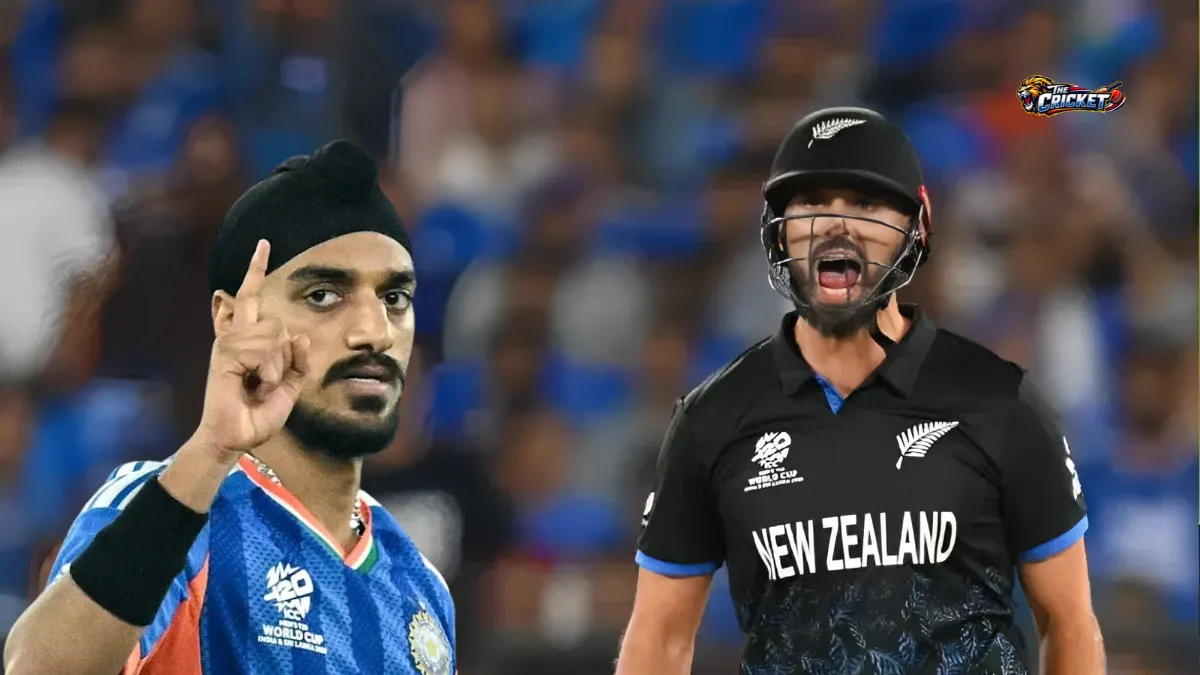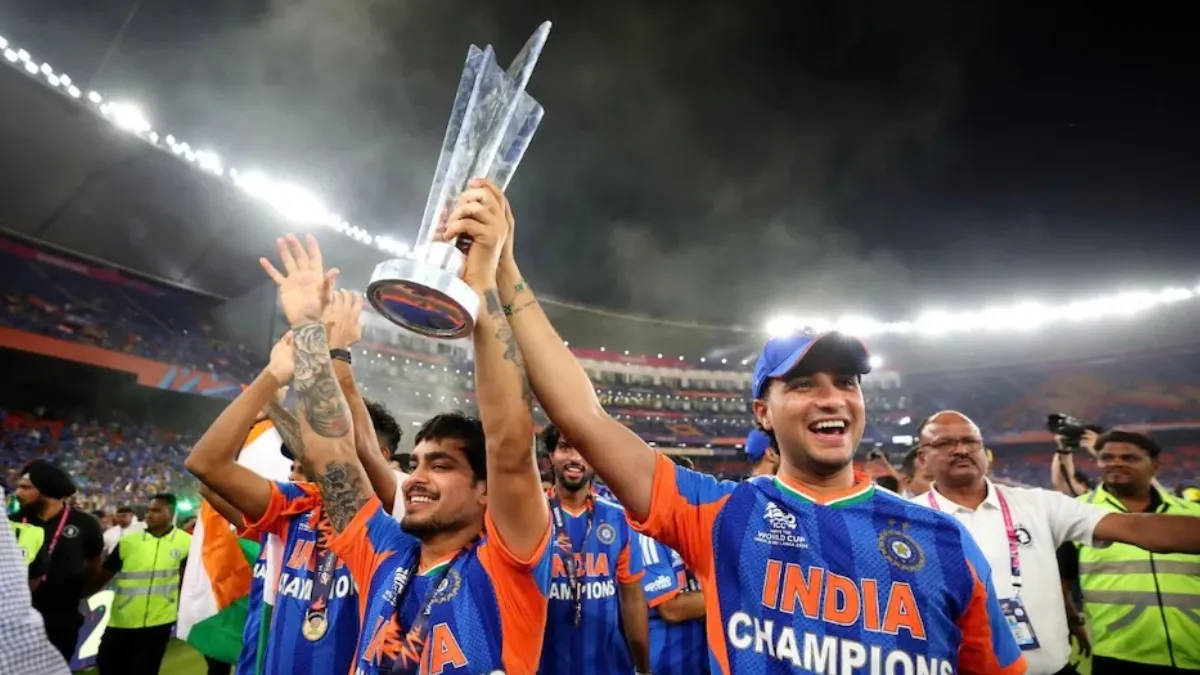
The India vs New Zealand final of the ICC Men’s T20 World Cup 2026 turned into a historic night for Indian cricket as opening batters Abhishek Sharma and Sanju Samson rewrote the record books with a stunning partnership at the top of the order.
Playing at the iconic Narendra Modi Stadium, the Indian openers delivered an explosive start that not only set the tone for the match but also broke a long-standing record in the history of the T20 World Cup finals.
After losing the toss against New Zealand national cricket team, India national cricket team were asked to bat first. What followed was a sensational display of aggressive batting as Sharma and Samson dismantled the New Zealand bowling attack in the powerplay.
Their remarkable opening stand became the first 50-run partnership for the opening wicket in a T20 World Cup final, a milestone never achieved before in the tournament’s history.
Historic Opening Stand in the India vs New Zealand Final
The India vs New Zealand clash in Ahmedabad witnessed a record-breaking partnership that ended a 17-year wait in T20 World Cup history.
Abhishek Sharma and Sanju Samson stitched together a 50-run opening partnership, becoming the first pair of openers to achieve this feat in a T20 World Cup final.
Before this match, the highest opening partnership in a T20 World Cup final was 48 runs, set back in 2009 by Pakistan’s Kamran Akmal and Shahzaib Hasan.
For nearly two decades, that record remained untouched. However, Sharma and Samson finally surpassed it with an aggressive start that thrilled the packed crowd in Ahmedabad.
Highest Opening Partnerships in T20 World Cup Finals
| Rank | Opening Pair | Team | Opponent | Runs | Year |
|---|---|---|---|---|---|
| 1 | Abhishek Sharma & Sanju Samson | India | New Zealand | 50+ | 2026 |
| 2 | Kamran Akmal & Shahzaib Hasan | Pakistan | Sri Lanka | 48 | 2009 |
Their achievement marked a significant moment in the India vs New Zealand final and added another milestone to the tournament’s record books.
India’s Fastest Team Fifty in Knockout Matches
The fireworks did not stop there. The Indian openers also powered the team to another historic milestone during the match.
India crossed the 50-run mark in just four overs, making it the fastest team fifty ever recorded in a T20 World Cup semifinal or final.
This incredible scoring rate put immediate pressure on the New Zealand bowlers, who struggled to contain the aggressive Indian batting lineup.
Fastest Team Fifty in T20 World Cup Knockout Matches
| Team | Opponent | Overs Taken | Stage | Year |
|---|---|---|---|---|
| India | New Zealand | 4 Overs | Final | 2026 |
The aggressive approach continued throughout the powerplay, with Sharma and Samson attacking both pace and spin with confidence.
By the end of the first six overs, India had raced to 92 runs without losing a wicket, one of the most dominant starts ever seen in a T20 World Cup final.
Abhishek Sharma’s Record-Breaking Half-Century
The India vs New Zealand match also witnessed an extraordinary individual milestone from Abhishek Sharma.
The young Indian opener smashed his half-century in just 18 balls, setting a new record for the fastest fifty in a T20 World Cup knockout match.
Sharma’s fearless batting included a series of boundaries and sixes that electrified the stadium and shifted the momentum completely in India’s favor.
Fastest Half-Centuries in T20 World Cup Knockout Matches
| Player | Team | Balls Taken | Opponent | Stage |
|---|---|---|---|---|
| Abhishek Sharma | India | 18 | New Zealand | Final |
| Finn Allen | New Zealand | 18 | South Africa | Knockout |
| Jacob Bethell | England | 18 | India | Semi-final |
Although players like Finn Allen and Jacob Bethell had also scored half-centuries in 18 balls in previous knockout matches, Sharma’s effort stood out because it came in the high-pressure environment of a World Cup final.
Adding to the achievement, it was also the fastest half-century of the entire 2026 T20 World Cup tournament.
Dominant Powerplay Performance by India
The opening pair’s performance in the India vs New Zealand final demonstrated a fearless brand of cricket that has become a hallmark of modern T20 batting.
Key highlights of India’s powerplay performance included:
- 50 runs scored in just 4 overs
- 92 runs in the first 6 overs
- Record-breaking opening partnership
- Fastest fifty in a T20 World Cup knockout match
This explosive start laid the foundation for a potentially massive total, putting India in a commanding position early in the match.
The partnership also highlighted the strong chemistry between Abhishek Sharma and Sanju Samson at the top of the order. While Sharma played the role of an aggressor with fearless stroke play, Samson provided stability and timely boundaries to keep the scoreboard moving.
A Turning Point in the India vs New Zealand Final
The electrifying start from the Indian openers changed the complexion of the India vs New Zealand final.
In high-pressure matches like World Cup finals, early momentum often plays a crucial role. By dominating the powerplay, India seized control of the game and forced New Zealand onto the defensive.
The atmosphere inside the Narendra Modi Stadium was electric as thousands of fans witnessed history unfold.
For Abhishek Sharma, the innings was especially significant. After struggling for consistency earlier in the tournament, he delivered a match-defining performance on the biggest stage.
Sanju Samson’s calm yet aggressive approach complemented Sharma perfectly, ensuring that India maintained a relentless scoring rate throughout the powerplay.
Also read: Jasprit Bumrah Reveals Mental Shift Behind His Match-Winning Performance in T20 World Cup Final
Conclusion
The India vs New Zealand T20 World Cup 2026 final will be remembered as a landmark moment in cricket history.
Abhishek Sharma and Sanju Samson not only provided India with a dream start but also broke a 17-year-old record by registering the first-ever 50-run opening partnership in a T20 World Cup final.
Their explosive batting also helped India achieve the fastest team fifty in a knockout match and produced the fastest half-century of the tournament through Abhishek Sharma.
As the match progressed, the historic opening stand ensured that India built a strong platform for a massive total, giving fans an unforgettable spectacle at the Narendra Modi Stadium.
The performance of the Indian openers once again proved how crucial aggressive batting in the powerplay can be in modern T20 cricket, especially in a high-stakes clash like the India vs New Zealand World Cup final.