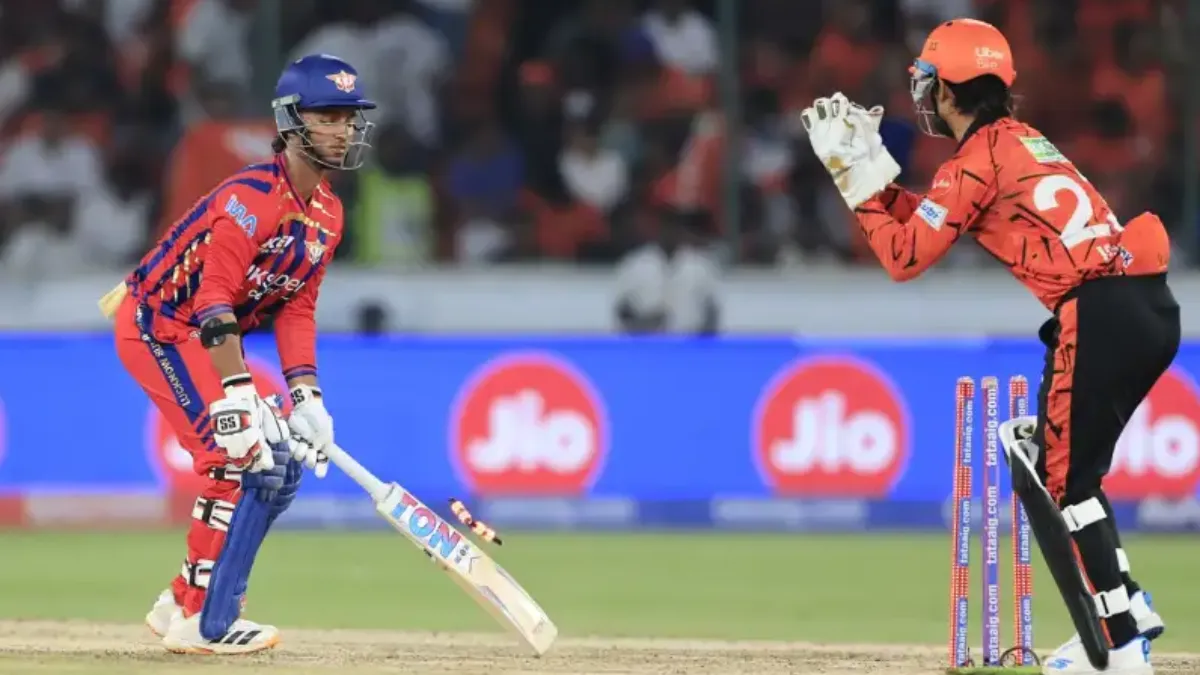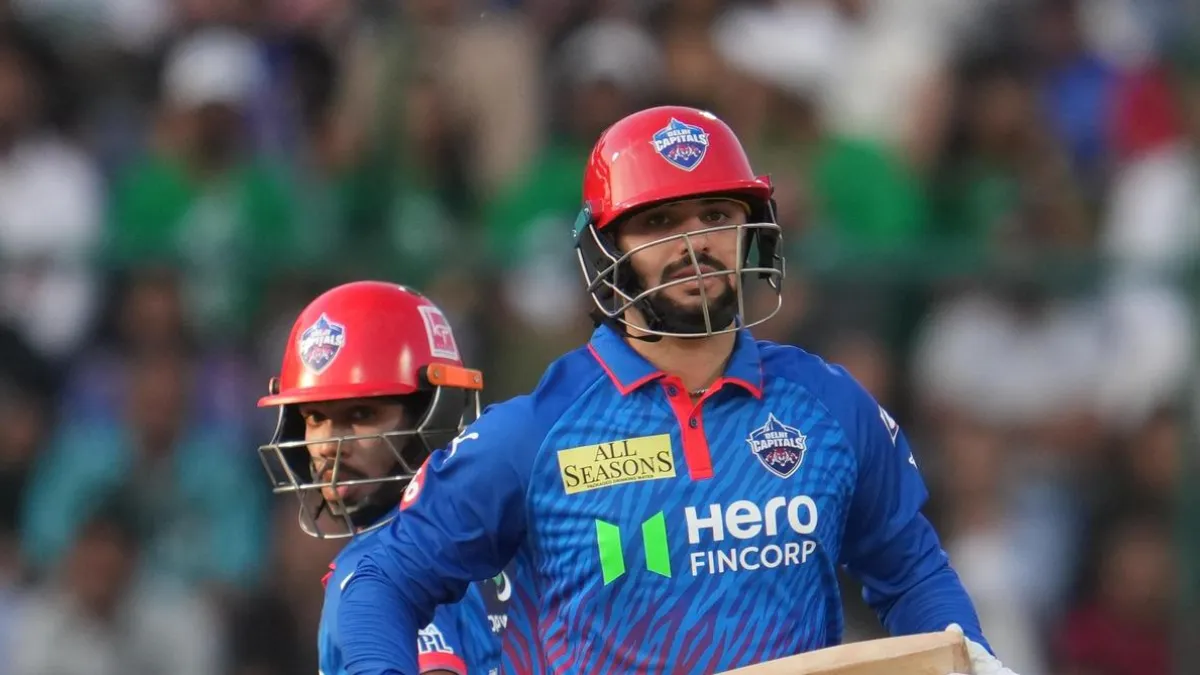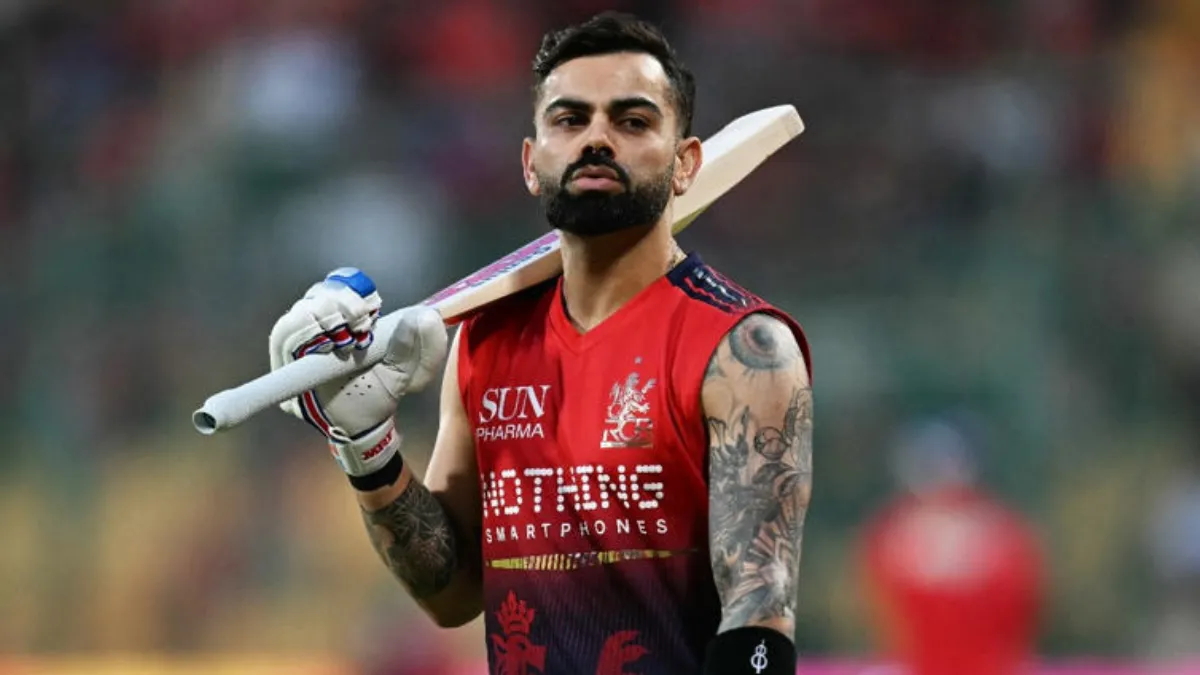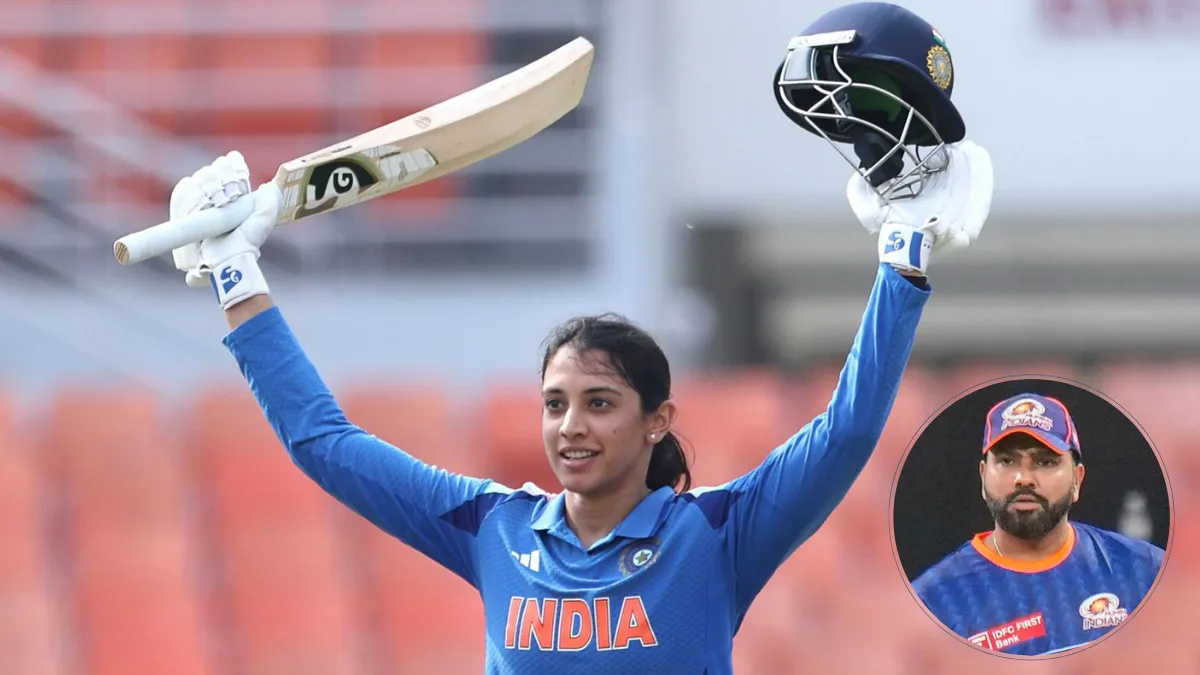
Team India have thrown down the gauntlet at the T20 World Cup 2026, making it clear that caution is no longer part of their vocabulary. Under the guidance of head coach Gautam Gambhir, India’s approach has taken a dramatic turn-fearless, aggressive, and designed to intimidate.
After posting a staggering 256 runs against Zimbabwe national cricket team in the Super 8 stage and sealing a commanding 72-run victory, the message from the Indian dressing room was unmistakable: this team is here not only to win but to dominate. The strategy is simple-attack relentlessly and instill fear in the opposition.
Aggression Regardless of Circumstances
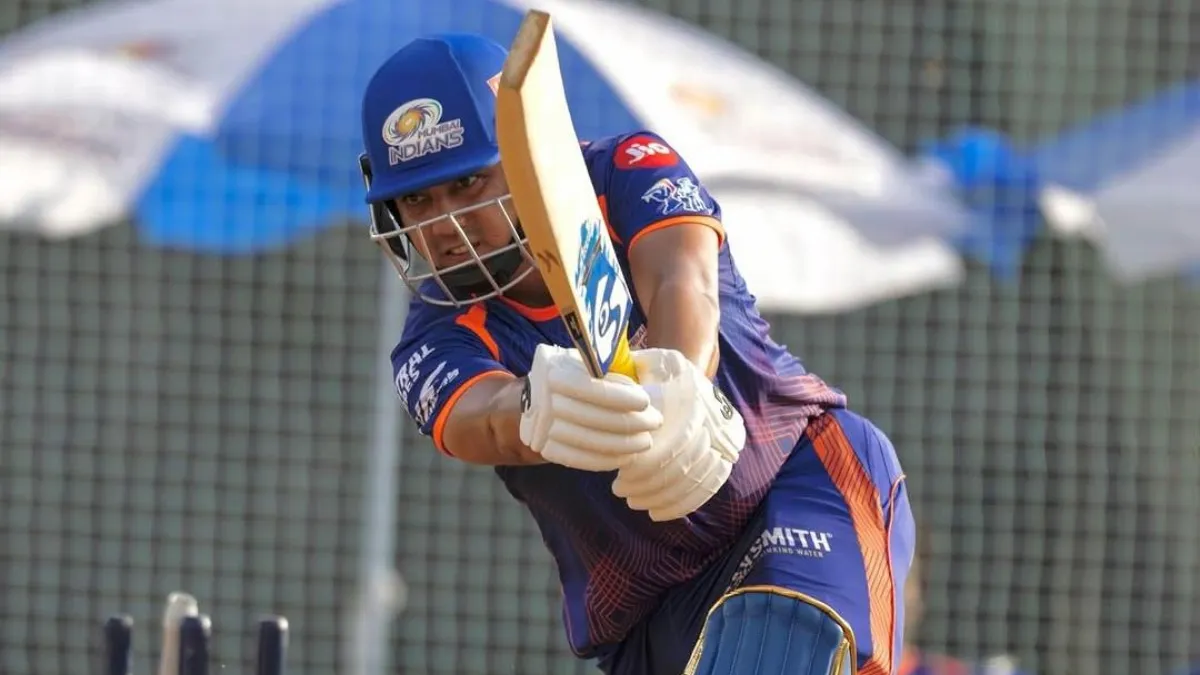
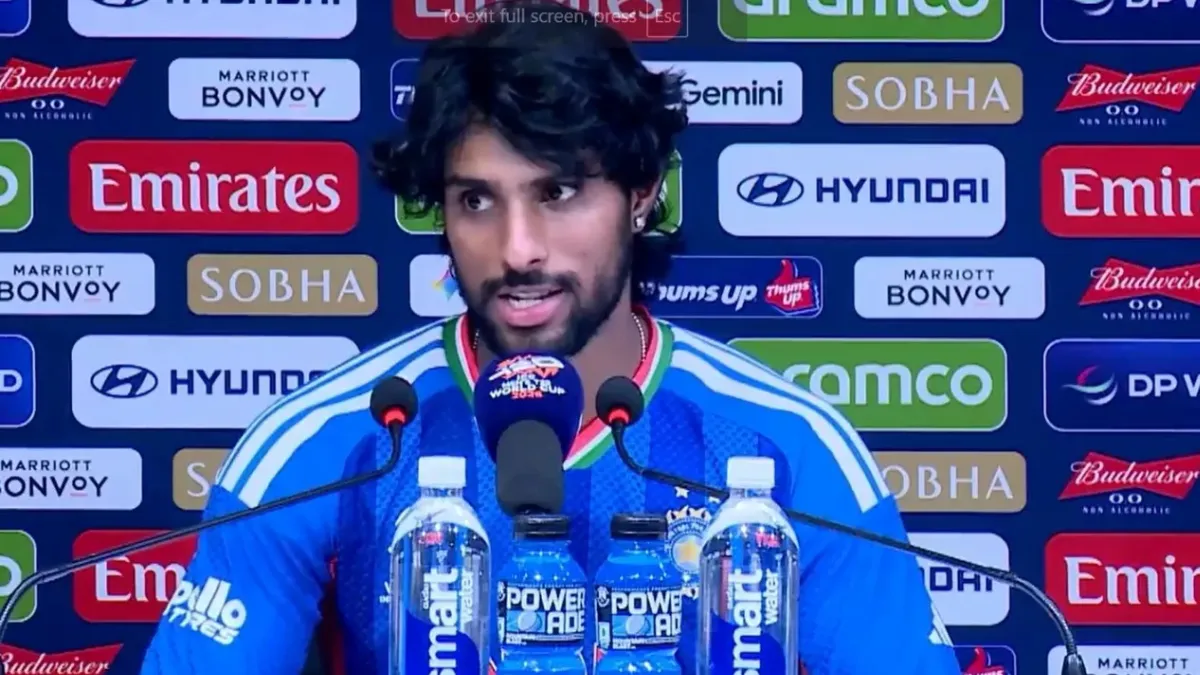
Speaking to reporters after the match, young batting star Tilak Varma revealed that the team had made a conscious decision to stick to aggressive cricket, no matter the match situation.
“We wanted to deliver this kind of performance,” Tilak said. “As a team, we discussed that even if we lost three or four wickets in the powerplay, we would continue playing attacking cricket.”
This clarity of thought represents a significant shift in India’s T20 philosophy. In previous tournaments, early wickets sometimes forced a more cautious rebuild. But at the T20 World Cup 2026, the new mantra is clear-pressure the bowlers, not the scoreboard.
Match Summary: India vs Zimbabwe (Super 8)
| Match | Venue | India Score | Zimbabwe Score | Result |
|---|---|---|---|---|
| Super 8 | Chennai (Chepauk) | 256/4 (20 overs) | 184 all out | India won by 72 runs |
India’s massive total set the tone early. The opening pair provided explosive momentum, ensuring that Zimbabwe’s bowlers were immediately put on the back foot.
Sanju Samson’s Impactful Return
Tilak Varma was particularly vocal in praising Sanju Samson, who was brought into the playing XI in place of Rinku Singh. Samson wasted no time, smashing 24 runs off just 15 balls and forging a 48-run partnership in only 3.4 overs with Abhishek Sharma for the opening wicket.
“When the openers give you that kind of start, it lifts the confidence of the middle order automatically,” Tilak explained. “Sanju gave us exactly the start we needed.”
The early assault not only accelerated India’s scoring rate but also visibly unsettled the Zimbabwe bowlers. Every delivery seemed under threat of disappearing into the stands.
Learning from Setbacks
India’s aggressive display was even more striking given their struggles in the previous Super 8 clash against South Africa national cricket team, where the batting unit faltered.
Tilak revealed that the players had carefully reviewed footage of earlier T20 matches played at Chepauk before this fixture. Those sessions helped the team rediscover its identity.
“We had discussions before the match and decided to walk out with a positive mindset,” he said. “We looked at how we performed in T20 cricket over the last year. Watching those videos boosted everyone’s confidence.”
According to Tilak, Gambhir also played a key role in reshaping the team’s mentality. The coach encouraged every player to trust their natural game, regardless of conditions or match pressure.
“Gautam sir told us to remember the cricket we played last year in the home series against New Zealand and South Africa,” Tilak added. “He told us not to hesitate and to express ourselves freely.”
Mindset Over Conditions
While pitches in Ahmedabad and Delhi earlier in the tournament were considered batting-friendly, Chepauk has traditionally offered assistance to bowlers. Yet India’s mindset neutralised any concerns about surface conditions.
Tilak emphasized that mentality often outweighs pitch behavior in T20 cricket.
“In this format, mindset plays a huge role,” he said. “Even if we lost a wicket, we were ready to hit a six off the very next ball. That was our thinking.”
The philosophy is straightforward: if the ball is in the hitting zone, it will be attacked — first ball or last. The objective is to keep bowlers guessing and under constant pressure.
India’s Aggressive Blueprint at T20 World Cup 2026
India’s strategy in the T20 World Cup 2026 can be summarised in three clear pillars:
| Strategy Element | Description |
|---|---|
| Fearless Powerplay | Attack even at the risk of losing early wickets |
| Psychological Pressure | Force bowlers into defensive lines and errors |
| Positive Intent | Maintain high strike rate regardless of match situation |
This bold blueprint signals a broader evolution in India’s T20 cricket philosophy under Gambhir’s leadership.
Also read: Women International Cricket: Harmanpreet Kaur Sets All-Time Record with 356th Appearance for India
Sending a Message to the Tournament
With the Super 8 stage intensifying, India’s 256-run statement has reverberated across the tournament. Rival teams are now fully aware that this Indian batting lineup intends to attack from the outset.
More importantly, the team appears unified in its belief. The dressing room atmosphere, according to players, is focused not merely on progression but on setting new standards.
The T20 World Cup 2026 is shaping up to be a tournament defined by bold strategies and high-risk cricket. India, under Gambhir’s direction, seem ready to embrace that challenge.
As Tilak Varma summed up, the pressure now belongs to the opposition.
“When we are enjoying ourselves and playing freely, all the pressure shifts to the bowlers. That’s exactly what we want.”
If this aggressive template continues, Team India may not just aim for victories — they may redefine how modern T20 cricket is played on the world stage.