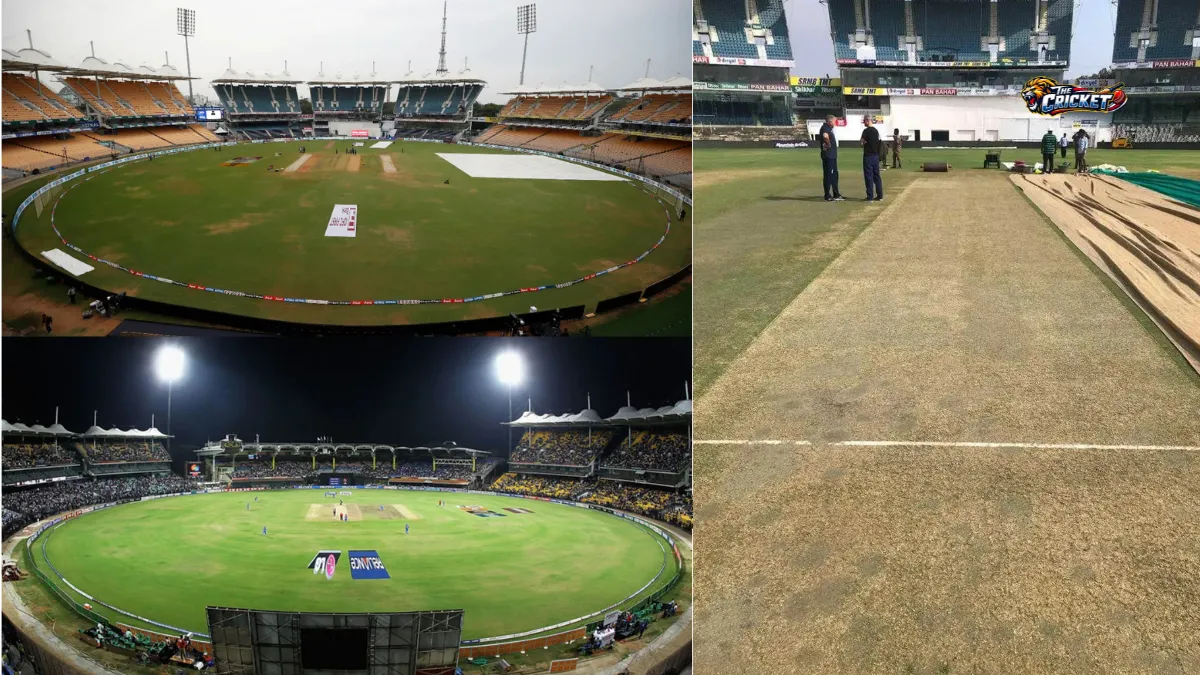
Eden Gardens weather plays a major role in shaping cricket matches, travel plans, and the overall experience at one of India’s most iconic stadiums. Located in the heart of Kolkata, Eden Gardens is known not just for its rich cricket history but also for its unique weather conditions that often influence the game. Understanding the climate here helps fans, players, and visitors plan better and enjoy their time at the stadium.
Overview of Eden Gardens and Its Location
Eden Gardens is situated in Kolkata, a city known for its humid climate and tropical weather patterns. The stadium is close to the Hooghly River, which slightly affects local humidity levels. With a seating capacity of more than 65,000 spectators, it is one of the largest cricket stadiums in India.
Because of Kolkata’s geographical location in eastern India, the weather remains warm and humid for most parts of the year. This directly impacts pitch behavior, player fitness, and even spectator comfort.
Eden Gardens Weather Throughout the Year
To understand eden gardens weather clearly, it is important to break it down season by season. Kolkata experiences three main seasons: summer, monsoon, and winter.
Summer Season at Eden Gardens
Summer in Kolkata usually begins in March and continues until June. During this time, temperatures often range between 30°C and 40°C. April and May are typically the hottest months.
The heat during summer matches can be intense. Afternoon games become physically demanding for players due to high humidity levels, which often stay above 70 percent. The combination of heat and moisture can lead to quick dehydration, making hydration breaks extremely important.
For spectators, sitting in open stands during peak afternoon heat can be uncomfortable. Evening matches are slightly better as temperatures drop gradually after sunset, but humidity still remains high.
From a cricketing point of view, dry summer conditions can help the pitch crack slightly, assisting spinners as the game progresses.
Monsoon Season at Eden Gardens
Monsoon arrives in Kolkata around late June and usually lasts until September. This period sees heavy rainfall and frequent thunderstorms.
Eden gardens weather during monsoon becomes unpredictable. Sudden showers can interrupt matches, leading to delays and reduced overs. The outfield often becomes damp, and high moisture levels in the air support swing bowling.
Cloud cover during this season helps fast bowlers generate movement with the new ball. Seamers often get extra assistance due to the moisture in the pitch surface.
However, modern drainage systems at Eden Gardens are efficient, allowing quick removal of excess water. Even after heavy rain, the ground staff can prepare the field relatively fast compared to older times.
Winter Season at Eden Gardens
Winter is considered the most pleasant season in Kolkata. It starts in November and continues until February. Temperatures usually range between 12°C and 25°C.
Eden gardens weather during winter is ideal for cricket. The air is cooler, humidity levels are lower, and conditions remain comfortable for both players and spectators.
Morning matches may see light fog or mist, especially in December and January. This slight moisture in the air can help swing bowlers early in the day. As the sun rises, the pitch dries out and becomes better for batting.
Most international matches and major tournaments are often scheduled during this season due to favorable conditions.
How Eden Gardens Weather Affects Pitch Conditions
Weather and pitch conditions are closely connected. At Eden Gardens, the pitch traditionally offers balanced conditions but can change depending on the season.
During hot and dry months, the surface tends to become slower. Spinners get grip and turn, especially in the second innings. Batsmen need patience to build innings.
In humid or cloudy weather, fast bowlers enjoy assistance with swing and seam movement. Early wickets are common in such conditions.
During winter evenings, dew becomes a significant factor in limited-overs matches. Dew makes the ball slippery, which makes it difficult for bowlers to grip properly. Captains winning the toss often prefer to bowl first to avoid defending a target under heavy dew.
Understanding eden gardens weather helps teams plan their strategy, from team selection to batting order and bowling changes.
Dew Factor in Night Matches
One of the most talked-about aspects of eden gardens weather is the dew factor. Kolkata’s humidity often leads to heavy dew during winter nights.
In T20 and ODI matches, dew can drastically change the game. The ball skids on under lights, making batting easier in the second innings. Spinners struggle to grip the ball, and fielders find it difficult to hold onto catches.
This is why toss decisions become crucial. Many captains choose to chase rather than set a target during night matches at Eden Gardens.
Best Time to Visit Eden Gardens
If you are planning to attend a match or simply visit the stadium, the best time is during winter months from November to February. The weather remains pleasant, making it comfortable to sit through long matches.
Summer visits can be challenging due to intense heat, especially during afternoon matches. Carrying water, wearing light cotton clothes, and using sun protection becomes essential.
Monsoon visits are not ideal for outdoor experiences because of heavy rainfall and high humidity. However, if a match is scheduled and weather permits, the cool breeze after rain can create a refreshing atmosphere.
Monthly Breakdown of Eden Gardens Weather
A closer look at eden gardens weather month by month helps in better planning.
January is cool and comfortable, making it perfect for day-long cricket matches. February remains pleasant with slightly rising temperatures.
March marks the beginning of summer, with increasing heat during afternoon hours. April and May are the hottest months with high humidity.
June sees pre-monsoon showers along with heat and thunderstorms. July and August receive heavy rainfall, often affecting outdoor events.
September gradually sees reduced rainfall but remains humid. October brings transitional weather with occasional rain and improving conditions.
November and December are considered the best months with cool and dry weather.
Weather Impact on Major Matches at Eden Gardens
Eden Gardens has hosted several historic matches over the decades. Weather has often played a crucial role in shaping memorable moments.
In high-scoring games, dry pitches and minimal moisture have favored batsmen. In low-scoring thrillers, early swing under cloudy skies has troubled top-order players.
Day-night matches often witness changing conditions from afternoon heat to cool, dew-filled evenings. Teams that adapt quickly to these changes usually perform better.
Eden gardens weather is not extreme like some northern cities, but its humidity and dew patterns make it unique among Indian cricket venues.
Tips for Spectators Based on Eden Gardens Weather
Before attending a match, checking the weather forecast is highly recommended. Light cotton clothing works best during most of the year due to humidity.
During summer matches, hats, sunglasses, and sunscreen are essential. Drinking enough water helps prevent dehydration.
In winter evenings, carrying a light jacket can be helpful as temperatures drop slightly after sunset.
If rain is expected during monsoon months, keeping a raincoat or poncho can save you from discomfort, as umbrellas are sometimes restricted inside stadium premises.
Climate Change and Its Influence on Eden Gardens Weather
In recent years, climate patterns across India have shown noticeable changes. Kolkata has also experienced irregular rainfall and fluctuating temperatures.
Unexpected rain during non-monsoon months and prolonged heat waves during summer have occasionally affected match scheduling.
Stadium authorities continuously upgrade drainage systems and infrastructure to handle sudden weather changes efficiently.
Comparing Eden Gardens Weather with Other Indian Stadiums
Compared to northern cities like Delhi, Kolkata does not experience extreme cold. Unlike cities such as Chennai or Mumbai, Kolkata’s humidity is similar but can feel slightly heavier during peak summer.
Winter conditions at Eden Gardens are often considered among the most comfortable for cricket in India. This makes it a preferred venue for high-profile matches and tournament games.
Also read: Eden Garden: The Historic Heart of Indian Cricket
Why Eden Gardens Weather Makes It Special
Every cricket ground has its own character, and weather is a major part of that identity. Eden gardens weather creates a balance between spin-friendly surfaces, swing-friendly mornings, and dew-influenced night matches.
The combination of tropical warmth, seasonal rainfall, and cool winters makes every match here slightly different. Players often speak about adjusting quickly to Kolkata’s humidity and changing evening conditions.
For fans, the energy of the crowd combined with weather shifts creates an unforgettable match-day experience.
Also read: Wankhede Stadium Weather: Guide for Cricket Fans and Visitors
Conclusion
Eden gardens weather is more than just temperature and rainfall data. It is a defining factor that shapes cricket strategies, match outcomes, and spectator comfort at one of India’s most historic stadiums.
From hot and humid summers to rain-filled monsoons and pleasant winters, each season brings its own impact on the pitch and playing conditions. Understanding eden gardens weather helps players prepare better, teams plan smarter, and fans enjoy the game more comfortably.
Whether you are a cricket lover planning to attend a thrilling T20 match or simply curious about how climate influences the sport, knowing the weather patterns at Eden Gardens gives you a deeper appreciation of the game played at this iconic venue.