

Wankhede stadium weather plays a very important role in every cricket match held at this iconic ground in Mumbai. Whether you are planning to attend a live match or simply want to understand how conditions affect the game, knowing about the weather at Wankhede Stadium can help you prepare better. From hot summer afternoons to humid monsoon days and pleasant winter evenings, the climate around the stadium changes throughout the year and directly impacts both players and spectators.
Located near the Arabian Sea in South Mumbai, Wankhede Stadium experiences coastal weather conditions. The sea breeze, high humidity, and seasonal rains are key factors that define the overall atmosphere at the ground. In this detailed guide, you will learn about Wankhede stadium weather across different seasons, match-day conditions, pitch behavior, and practical tips for visitors.
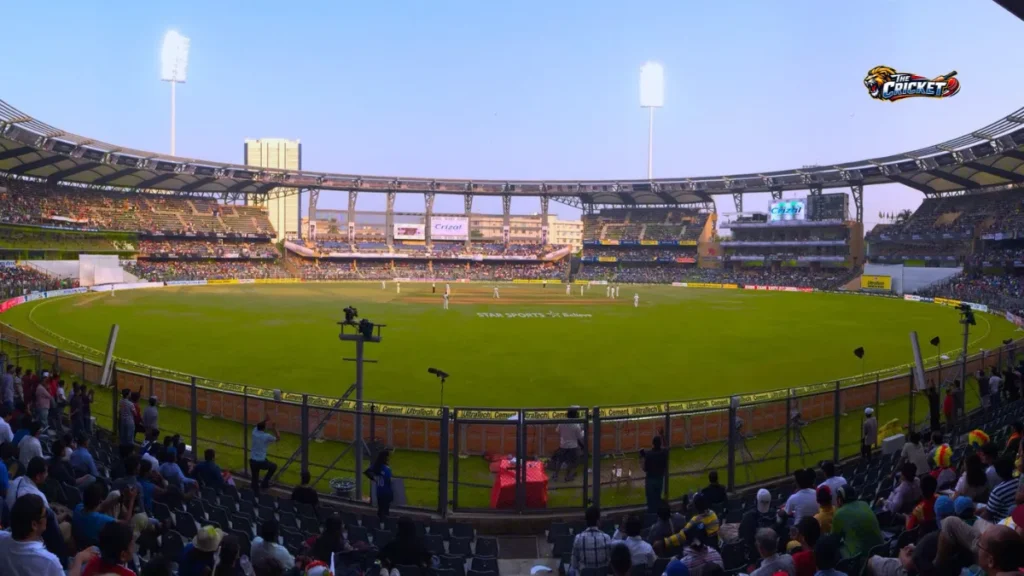
Overview of Wankhede Stadium and Its Coastal Climate
Wankhede Stadium is one of India’s most famous cricket venues. It is located in Churchgate, close to Marine Drive, and only a short distance from the Arabian Sea. This location strongly influences Wankhede stadium weather conditions.
Mumbai has a tropical climate. It generally remains warm and humid for most of the year. Unlike cities in North India, temperatures in Mumbai do not fluctuate drastically between seasons. However, humidity levels can be very high, especially during the monsoon months. This combination of warmth and moisture shapes how matches are played at the stadium.
The open structure of the stadium allows sea breeze to flow in during evening matches. This breeze sometimes brings relief from heat but can also increase humidity levels. As a result, players often have to deal with sweating, slippery conditions, and heavy air.
Seasonal Breakdown of Wankhede Stadium Weather
Understanding Wankhede stadium weather becomes easier when we look at it season by season.
Summer Weather at Wankhede Stadium
Summer in Mumbai typically runs from March to June. During this time, daytime temperatures usually range between 30°C and 36°C. In some cases, it can feel even hotter due to high humidity.
Afternoon matches during summer can be physically demanding. The sun is strong, and there is limited shade in certain seating areas. Spectators sitting in open stands may feel uncomfortable without caps, sunglasses, or water.
For players, the heat affects stamina. Fast bowlers especially struggle in long spells under the sun. However, evening matches during leagues like the IPL are slightly more comfortable because temperatures drop after sunset.
Despite the heat, summer weather at Wankhede Stadium often produces good batting conditions. The pitch tends to be dry and hard, allowing the ball to come nicely onto the bat.
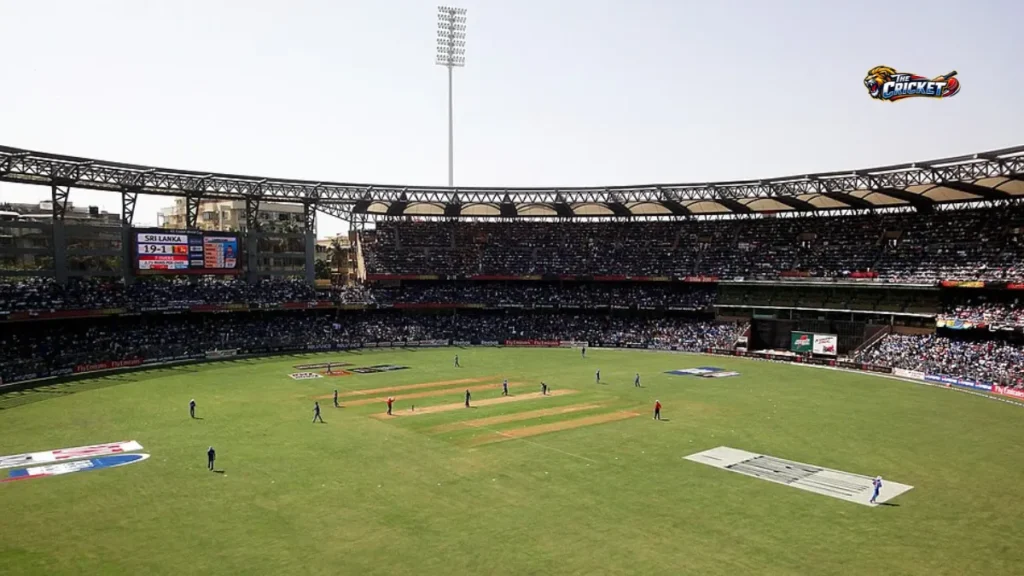
Monsoon Weather at Wankhede Stadium
The monsoon season in Mumbai usually begins in June and continues until September. This period brings heavy rainfall, cloudy skies, and extremely high humidity.
During monsoon months, Wankhede stadium weather becomes unpredictable. Sudden showers can interrupt practice sessions and domestic matches. Fortunately, international fixtures are rarely scheduled during peak monsoon.
The stadium has a modern drainage system that helps remove water quickly. However, continuous rain can still delay matches. Overcast conditions during this season may help swing bowlers, as moisture in the air allows the ball to move more.
Humidity during monsoon is often above 80 percent. Even if it is not raining, the air feels heavy and sticky. For players, this makes fielding and bowling more challenging.
Winter Weather at Wankhede Stadium
Winter in Mumbai is mild and pleasant. It usually lasts from November to February. During this period, temperatures range between 18°C and 30°C.
This is considered the best time for cricket at Wankhede Stadium. The weather is comfortable, humidity levels are slightly lower, and the evenings are cool. Most international matches are scheduled during this season.
Wankhede stadium weather in winter creates ideal conditions for both players and fans. Spectators can enjoy the match without worrying about extreme heat or rain. Players also perform better in such balanced conditions.
How Wankhede Stadium Weather Affects Pitch Behavior
Weather has a direct influence on pitch conditions at Wankhede Stadium. The pitch is generally known for being batting-friendly, especially in white-ball cricket.
During hot and dry weather, the surface becomes firm and slightly cracked. This allows the ball to travel quickly to the boundary. High-scoring matches are common, particularly in T20 games.
In humid conditions, especially during evening matches, dew becomes a major factor. Dew forms when moisture in the air settles on the ground after sunset. This makes the ball wet and slippery. Bowlers find it difficult to grip the ball, while batsmen benefit from easier stroke play.
Captains often prefer to chase at Wankhede because of dew. Once the ball gets wet, spinners struggle to control it. This is why Wankhede stadium weather plays a crucial role in toss decisions.
In overcast conditions, fast bowlers may get early swing due to moisture in the air. However, as the match progresses, the pitch usually becomes better for batting.
Wankhede Stadium Weather During IPL Matches
The Indian Premier League is one of the most popular tournaments held at Wankhede Stadium. The home team, Mumbai Indians, has played many memorable matches here.
IPL matches are usually played between March and May. During this period, Wankhede stadium weather is warm and humid. Most games start in the evening, around 7:30 PM, which helps reduce the effect of extreme heat.
Evening humidity often leads to heavy dew in the second innings. Teams winning the toss frequently choose to bowl first. Chasing targets becomes easier when the ball skids onto the bat under lights.
Fans attending IPL matches should expect warm conditions even at night. Light cotton clothes, hydration, and sun protection for early entry into the stadium are recommended.
Weather Conditions During International Matches
International matches at Wankhede are mostly scheduled during winter months. This ensures better playing conditions and minimal risk of rain interruptions.
Test matches at the stadium often start in the morning. Early sessions may offer slight help to fast bowlers if there is mild humidity. However, as the sun rises, the pitch becomes more batting-friendly.
In One Day Internationals and T20 Internationals, evening dew continues to influence outcomes. Teams carefully analyze Wankhede stadium weather forecasts before finalizing their playing XI.
Real-Time Wankhede Stadium Weather Updates
If you are planning to attend a match, checking live weather updates is essential. Mumbai weather can change quickly, especially during monsoon.
Reliable weather apps and forecasts provide temperature, humidity levels, and rain predictions. Since Wankhede Stadium is close to the sea, sea breeze patterns also affect conditions. Evening winds sometimes cool the atmosphere slightly but increase moisture.
Keeping track of Wankhede stadium weather on match day helps fans prepare better and avoid inconvenience.
Best Time to Visit Wankhede Stadium
The most comfortable time to visit Wankhede Stadium is between November and February. During these months, the weather is pleasant and ideal for watching cricket.
If you plan to attend a summer IPL match, choose shaded seating if possible. Arrive early to avoid long queues in the heat. Carry water bottles if allowed and wear breathable clothing.
Avoid planning visits during peak monsoon unless the match schedule confirms clear weather. Heavy rainfall can affect travel plans in Mumbai.
Tips for Spectators Based on Wankhede Stadium Weather
Understanding Wankhede stadium weather allows spectators to plan smartly. Here are some useful tips:
During summer, wear light-colored cotton clothes. Use sunscreen and carry a cap or hat. Stay hydrated throughout the match.
During monsoon, carry a raincoat or umbrella. Waterproof footwear can also help, as surrounding areas may get wet.
During winter, light clothing is sufficient. Evenings may feel slightly cool, but not cold.
Always check official match updates in case of weather-related delays.
Impact of Humidity on Players and Performance
Humidity is one of the most important aspects of Wankhede stadium weather. Mumbai’s coastal climate means the air often contains high moisture.
For players, this results in quicker fatigue. Sweating is excessive, and maintaining grip on the ball becomes difficult. Fielders may struggle with slippery conditions during dew-heavy evenings.
Batsmen, however, often enjoy such conditions because the ball travels faster on a slightly wet outfield. This is why many high-scoring games have been recorded at Wankhede.
Also read: Wankhede Stadium: Mumbai’s Iconic Cricket Cathedral with a Rich Legacy
Memorable Matches Influenced by Weather
Over the years, several matches at Wankhede Stadium have been influenced by weather conditions. Dew has played a decisive role in night games, while early humidity has helped fast bowlers take crucial wickets in Test matches.
Weather awareness has become an essential part of team strategy. Coaches and captains carefully analyze forecasts before making decisions about team combinations and tactics.
Also read: Narendra Modi Stadium: The World’s Largest Cricket Arena on the Banks of the Sabarmati
Conclusion
Wankhede stadium weather is a key factor that shapes every cricket match played at this iconic Mumbai venue. From hot summer evenings during the IPL to pleasant winter afternoons in international fixtures, weather conditions influence pitch behavior, player performance, and match results.
Because of its coastal location, humidity and sea breeze remain constant features throughout the year. Dew in evening matches often affects bowling performance and toss decisions. Monsoon rains can bring interruptions, while winter offers the most comfortable environment for cricket.
If you are planning to visit or watch a match, understanding Wankhede stadium weather will help you prepare properly. By checking forecasts and dressing according to the season, you can enjoy a smooth and memorable cricket experience at one of India’s most historic grounds.