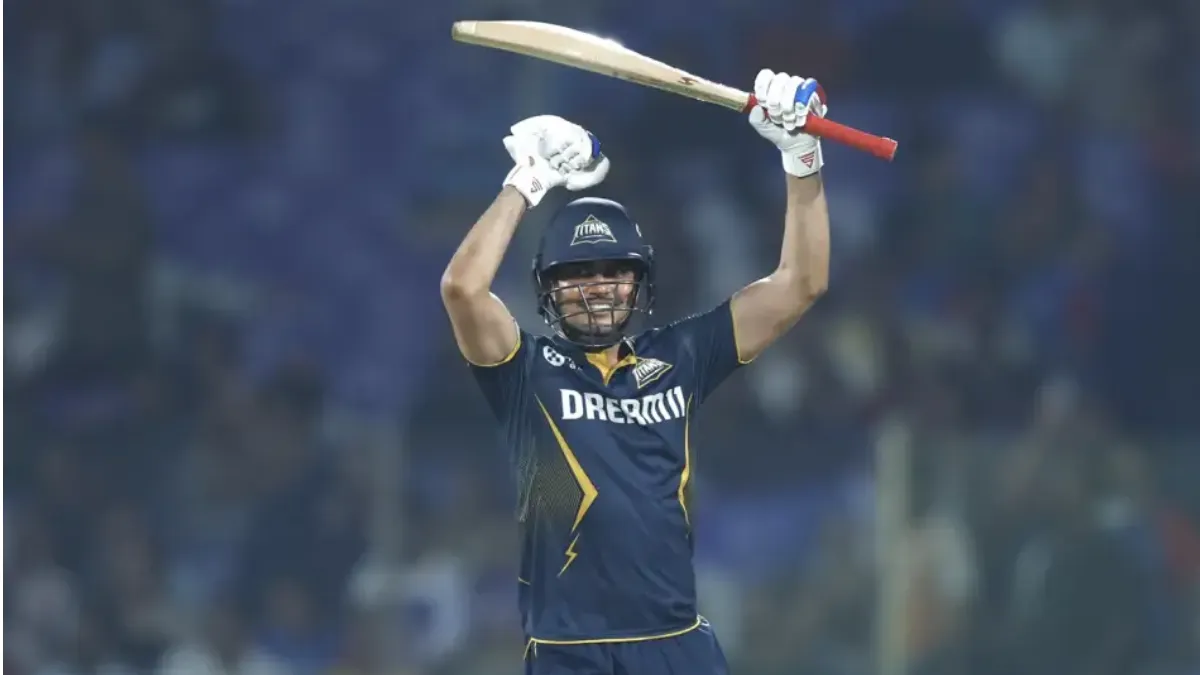
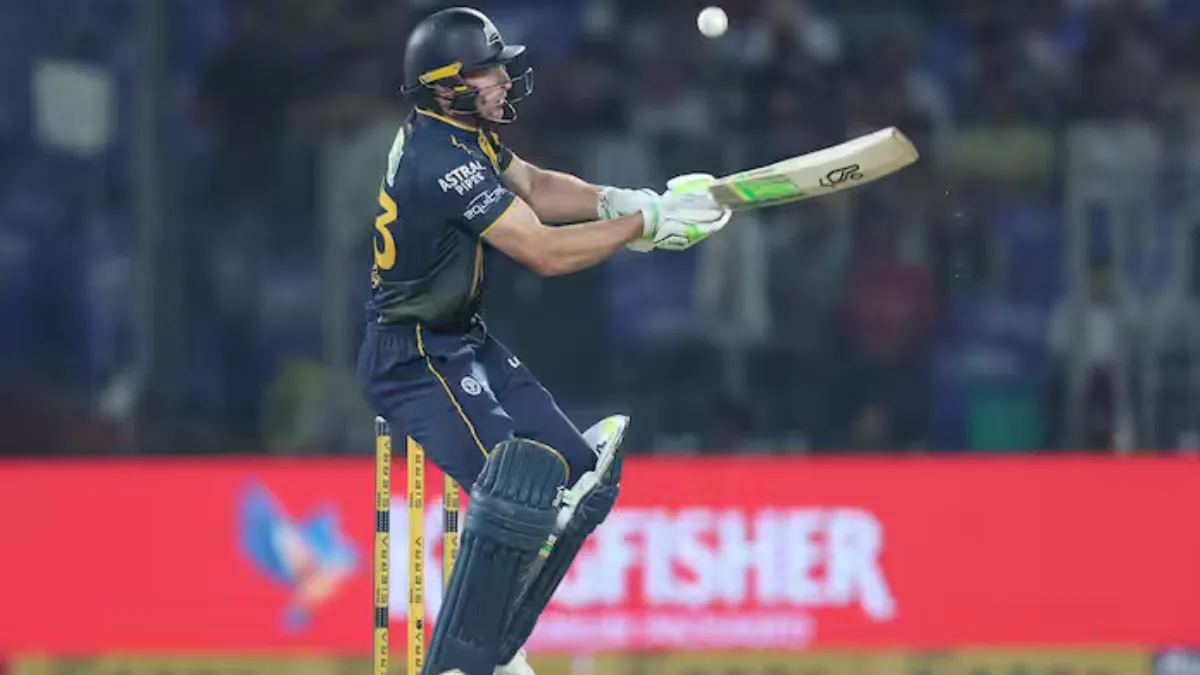
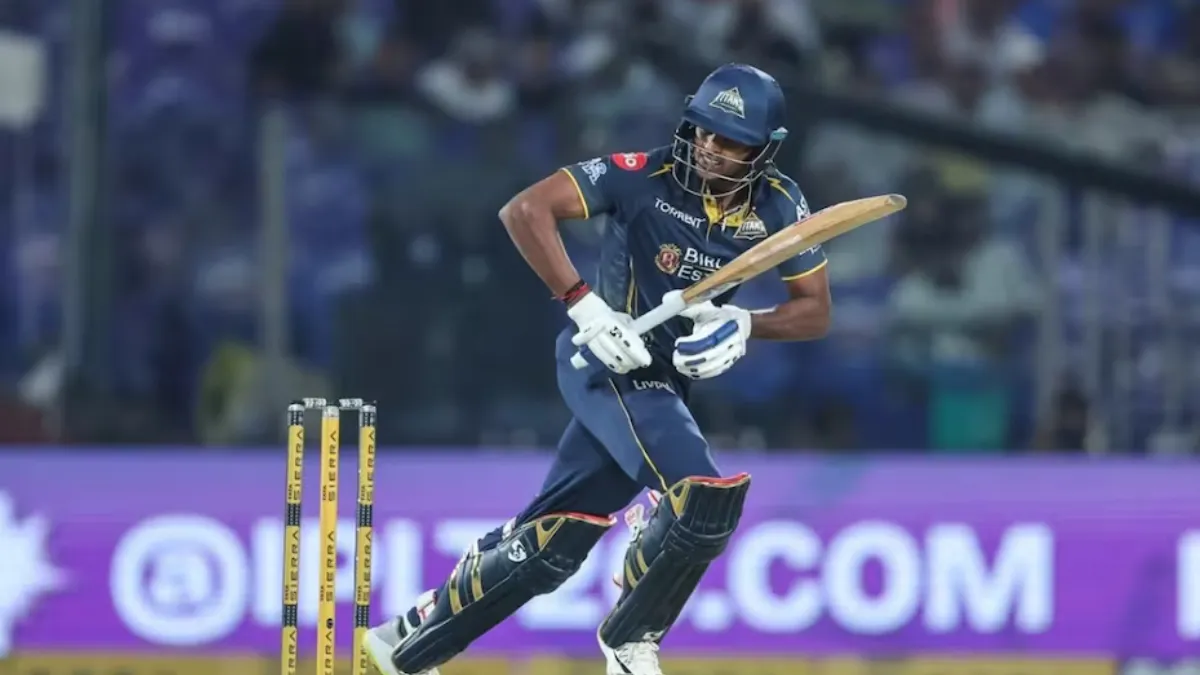
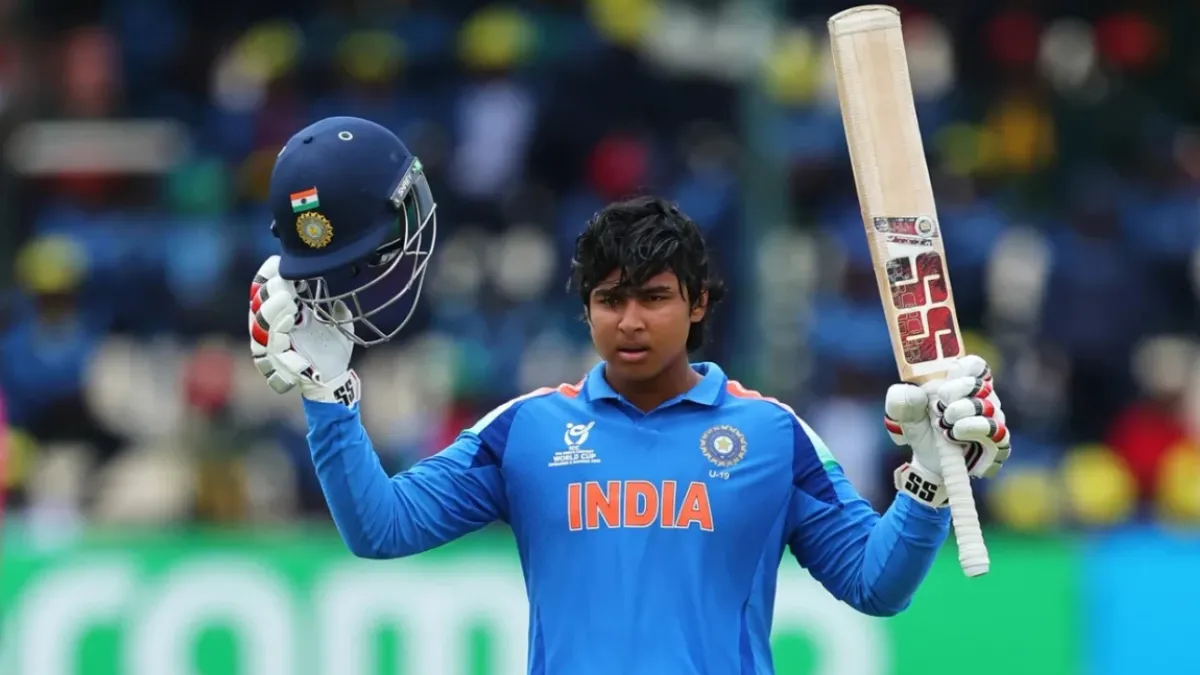
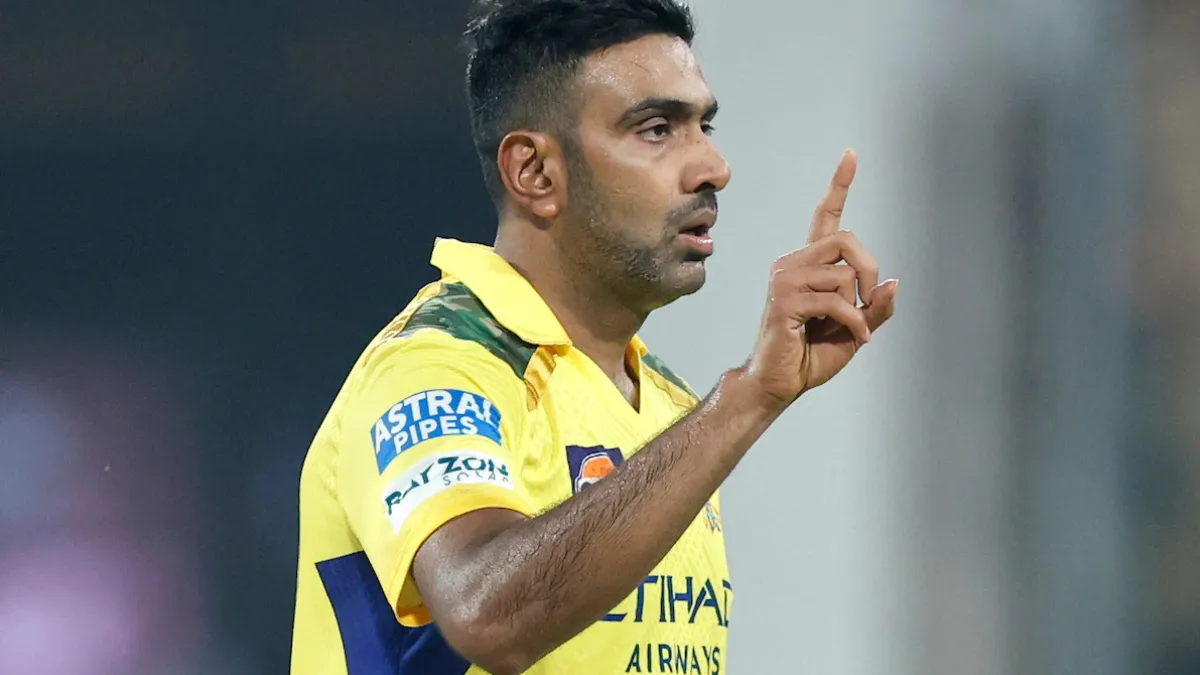
Cricket equipment: Cricket is more than just a sport—it is a tradition followed passionately by millions of people around the world. From crowded stadiums in India to historic grounds in England and Australia, the game continues to capture the imagination of fans and players alike. The excitement of watching a perfectly timed cover drive or a fast bowler delivering a thunderous yorker is unmatched. However, behind every great moment on the field lies an essential element that makes the sport possible: the equipment.
A well-prepared player never steps onto the pitch without the proper gear. The equipment used in cricket not only improves performance but also protects players from serious injuries. Whether you are a beginner learning the basics, a parent searching for a starter kit for a young player, or someone simply curious about the gear used in the sport, understanding the complete Cricket equipment list is extremely important.
Many new players feel confused when they see a cricket kit for the first time. The bag is often filled with numerous items—bats, pads, gloves, helmets, guards, balls, and more. Each piece of equipment serves a specific purpose and is designed to improve safety and gameplay.
In this detailed guide, we will explore the complete Cricket equipment list, explain the purpose of each item, discuss how to choose the right equipment, and help beginners understand how a full cricket kit works. This article will also include useful tables to make the information easy to understand.
By the end of this guide, you will have a complete understanding of all the gear required to play cricket confidently and safely.
Understanding the Complete Cricket Equipment List
Before diving into individual items, it is important to understand how a cricket kit works as a whole. A cricket kit can be considered a player’s personal toolkit for the game. Every player carries a kit bag that contains all the equipment required during a match or practice session.
The Cricket equipment list generally includes three main categories:
- Batting Equipment
- Wicketkeeping Equipment
- Field Equipment and Accessories
Each category contains specialized gear designed for specific roles in the game.
For example, a batsman requires strong protective equipment because they face fast deliveries that can exceed speeds of 140 kilometers per hour. Meanwhile, a wicketkeeper needs specialized gloves and lighter pads to catch the ball behind the stumps.
Understanding the role of each item helps players choose the right gear and ensures better performance on the field.
Batting Equipment in the Cricket Equipment List
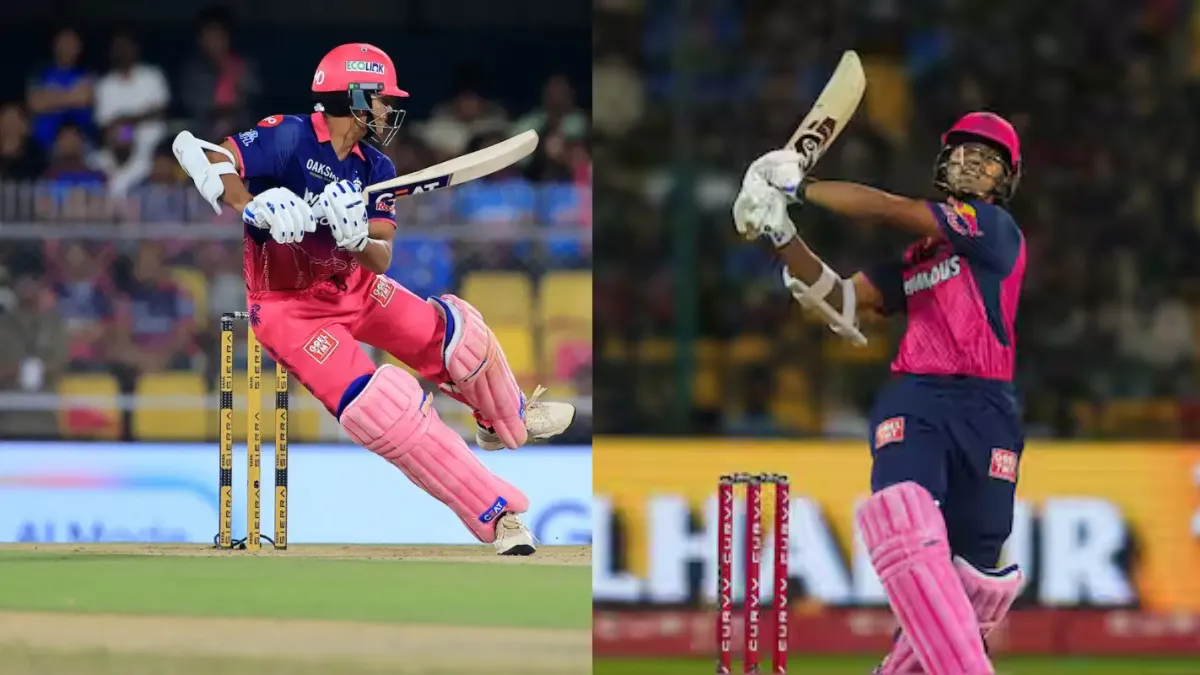
Batting equipment forms the most important part of any cricket kit. Since the batsman stands directly in front of the bowler and faces the ball, protection becomes extremely important.
Below are the essential batting items included in the Cricket equipment list.
Cricket Bat – The Most Important Item
The cricket bat is the centerpiece of the game. Without it, batting would not be possible. The bat is used to hit the ball and score runs.
Modern cricket bats are made from willow wood, which provides the perfect balance of strength, flexibility, and power.
There are two main types of willow used to manufacture cricket bats.
Types of Cricket Bats
| Type of Willow | Description |
|---|---|
| English Willow | Premium quality wood used by professional players. Lightweight with excellent rebound. |
| Kashmir Willow | More affordable and durable. Commonly used by beginners and casual players. |
English willow bats are known for their superior performance. They offer better “ping,” meaning the ball travels farther when struck.
Kashmir willow bats are heavier but more affordable, making them ideal for beginners and school-level players.
Cricket Bat Sizes
Choosing the correct bat size is extremely important, especially for young players.
| Player Height | Recommended Bat Size |
|---|---|
| 4’3″ – 4’6″ | Size 4 |
| 4’6″ – 4’9″ | Size 5 |
| 4’9″ – 5’2″ | Size 6 |
| 5’2″ – 5’6″ | Harrow |
| Above 5’6″ | Full Size |
Using the wrong bat size can affect both comfort and performance. Young players should always use bats suited to their height.
Batting Pads
Batting pads are worn on both legs to protect the shins and knees from the cricket ball.
The cricket ball is extremely hard and can cause serious injuries if it strikes the leg directly. Pads absorb the impact and reduce the risk of injury.
Modern batting pads are designed using materials such as:
- High-density foam
- Cane rods
- Lightweight synthetic materials
These materials ensure strong protection without making the pads too heavy.
Batting Gloves
Batting gloves protect a player’s hands while providing a strong grip on the bat.
The fingers are one of the most vulnerable parts of the body during batting. A fast delivery can easily break a finger if proper protection is not used.
Modern batting gloves include:
- Extra padding on fingers
- Leather or synthetic palms
- Flexible joints for better movement
Good gloves allow players to control the bat comfortably while protecting their hands.
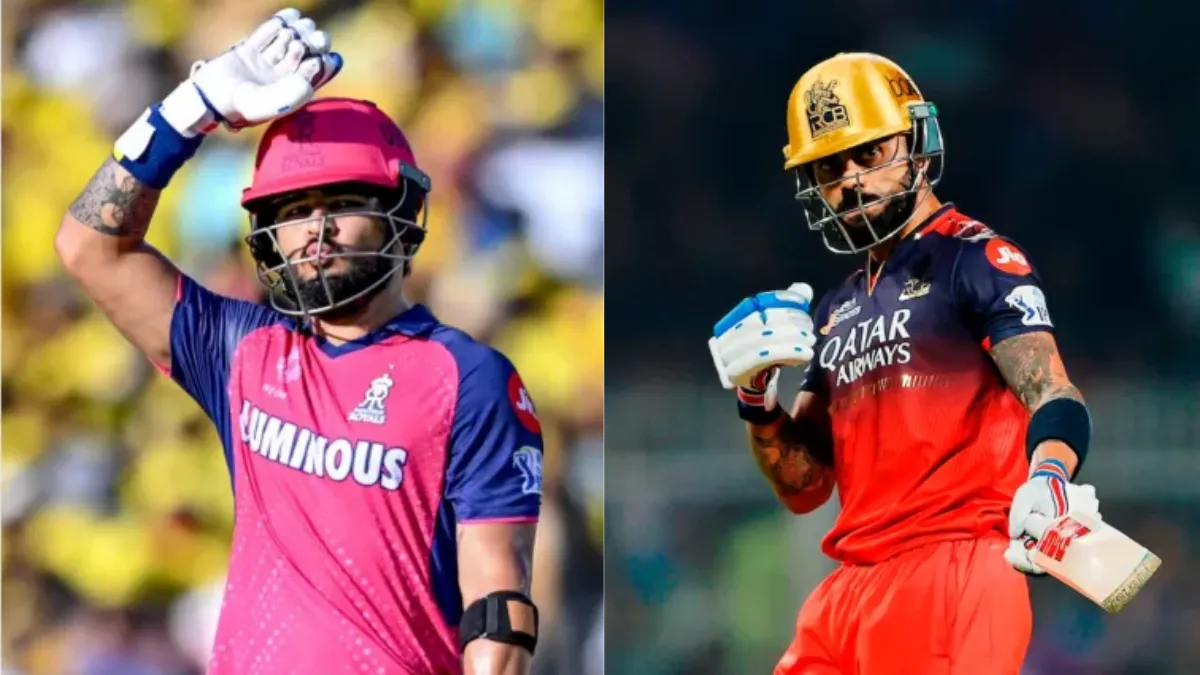
Cricket Helmet
The cricket helmet is one of the most important safety items in the Cricket equipment list.
Fast bowlers can deliver balls at speeds exceeding 140 km/h, making head protection essential.
A standard cricket helmet includes:
- Hard outer shell
- Inner foam padding
- Metal face grill
- Adjustable straps
Helmets are now mandatory in professional cricket and strongly recommended for beginners.
Abdominal Guard (Box)
The abdominal guard, commonly called a “box,” protects the groin area.
It is worn inside compression shorts or a jockstrap and is made from strong plastic material.
Even in friendly matches or practice sessions, wearing a box is considered essential for safety.
Thigh Guard
Thigh guards protect the upper legs from impact. Fast bowlers often target the body with short deliveries, making this protection extremely useful.
Thigh guards are lightweight and worn under cricket trousers.
Arm Guard
Arm guards protect the forearm area when a player plays defensive shots.
They are particularly useful when facing fast bowlers who bowl short deliveries.
Chest Guard
A chest guard is worn inside the shirt and protects the chest from fast deliveries.
It is especially useful for beginner players who are still developing their batting technique.
Wicketkeeping Equipment in the Cricket Equipment List
The wicketkeeper plays a unique role in cricket. Positioned behind the stumps, the wicketkeeper catches the ball after every delivery.
Because of this role, they require specialized equipment.
Wicketkeeping Gloves
Wicketkeeping gloves are very different from batting gloves.
They are designed with extra padding and include a webbing between the thumb and index finger. This web helps catch the ball easily.
Features include:
- Thick padding
- Reinforced leather palm
- Strong webbing
These gloves allow the wicketkeeper to catch fast deliveries safely.
Wicketkeeping Pads
Wicketkeeping pads are lighter and shorter than batting pads.
They are designed to allow quick movement while crouching behind the stumps.
The keeper must move quickly to catch edges or attempt stumpings, so lightweight pads are essential.
Inner Gloves
Wicketkeepers also wear inner gloves inside their main gloves.
These inner gloves absorb sweat and provide additional protection.
Field Equipment in the Cricket Equipment List
In addition to personal gear, cricket also requires equipment that defines the playing field.
Cricket Ball
The cricket ball is the central object of the game.
It is made using cork at the center, wrapped in string, and covered with leather.
Cricket balls come in different colors depending on the format.
| Ball Color | Used In |
|---|---|
| Red | Test matches |
| White | One-day and T20 matches |
| Pink | Day-night Test matches |
The seam of the ball plays a major role in swing and spin bowling.
Stumps and Bails
The wicket consists of three vertical wooden posts called stumps.
Two small wooden pieces called bails sit on top of the stumps.
The bowler’s objective is to hit the stumps or dislodge the bails.
Cricket Pitch Equipment
To set up a cricket match, certain equipment is required for the pitch.
These include:
- Boundary ropes
- Sight screens
- Scoreboards
- Pitch rollers
Although players do not carry these items, they are essential for official matches.
Cricket Clothing
Clothing also forms an important part of the Cricket equipment list.
Players typically wear:
- Cricket trousers
- Cricket shirts
- Cricket sweaters (in cold conditions)
- Cricket shoes
Professional cricket often uses white clothing in Test matches and colored uniforms in limited-overs formats.
Cricket Shoes
Cricket shoes are specially designed for grip and stability.
There are two main types:
| Shoe Type | Description |
|---|---|
| Spike Shoes | Used on grass pitches for better grip |
| Rubber Sole Shoes | Used on hard surfaces |
Fast bowlers often prefer spike shoes because they provide strong traction during run-ups.
Cricket Kit Bag
All the equipment mentioned above is carried inside a cricket kit bag.
Kit bags are large and durable, designed to hold all necessary gear.
Modern bags often include wheels for easy transport.
Complete Cricket Equipment List Table
Below is a simplified table summarizing the essential gear.
| Equipment | Purpose |
|---|---|
| Cricket Bat | Used to hit the ball |
| Batting Pads | Protect legs |
| Batting Gloves | Protect hands |
| Helmet | Protect head |
| Abdominal Guard | Protect groin |
| Thigh Guard | Protect upper legs |
| Arm Guard | Protect forearm |
| Chest Guard | Protect chest |
| Wicketkeeping Gloves | Catch the ball |
| Wicketkeeping Pads | Protect wicketkeeper’s legs |
| Cricket Ball | Central object of the game |
| Stumps and Bails | Target for bowlers |
| Cricket Shoes | Provide grip |
| Kit Bag | Carry equipment |
Choosing the Right Cricket Equipment
Selecting the right gear depends on several factors.
Skill Level
Beginners should focus on affordable equipment that provides good protection.
Professional players often choose premium gear for performance.
Age
Junior players need smaller and lighter equipment.
Budget
Good quality safety equipment should always be prioritized, especially helmets and pads.
Cricket Equipment for Young Players
Parents often look for a complete starter kit for children.
A junior cricket kit typically includes:
- Bat
- Pads
- Gloves
- Helmet
- Guard
- Kit bag
Young players should always use equipment suited to their size to prevent injuries.
Maintenance of Cricket Equipment
Taking care of cricket equipment ensures longer durability.
Important maintenance tips include:
- Keep bats dry and clean
- Store gloves in ventilated areas
- Replace worn-out grips
- Clean pads after matches
Proper maintenance helps maintain performance.
Also read: Top 5 Cricket Bat Brands in India: Which One Is Right for You?
The Evolution of Cricket Equipment
Cricket equipment has changed significantly over the centuries.
Early players used minimal protective gear.
Today, advanced materials and technology provide better protection and comfort.
Helmets, for example, were rarely used before the 1970s. Modern helmets now follow strict safety standards.
Why the Cricket Equipment List Matters
Understanding the complete Cricket equipment list is important for every player.
The right equipment ensures:
- Safety on the field
- Improved performance
- Greater confidence while playing
Without proper gear, players expose themselves to unnecessary risk.
Conclusion
Cricket is a sport that combines skill, patience, and strategy. However, behind every successful player is the right equipment that allows them to perform confidently and safely.
From the iconic cricket bat to protective gear like helmets and pads, every item in the Cricket equipment list plays a crucial role in the game.
Whether you are a beginner preparing for your first match or an experienced player upgrading your kit, understanding the purpose of each piece of equipment is essential.
By choosing the right gear, maintaining it properly, and practicing regularly, any player can step onto the field fully prepared for the challenges of cricket.
The next time you see a cricket match or pack your own kit bag, you will know exactly what every piece of equipment is for—and why it matters in the beautiful game of cricket.