The Bangladesh vs Pakistan ODI series ended with controversy after Pakistan raised concerns about an umpiring decision during the third and final match in Mirpur. The Pakistan cricket team has formally approached match referee Niyamur Rashid, claiming that Bangladesh were incorrectly allowed to take a Decision Review System (DRS) appeal late in the game.
According to Pakistan’s team management, the on-field umpire permitted Bangladesh to request an LBW review even after the ball’s replay had already been shown on the stadium’s giant screen. Pakistan argues that this action violated the rules governing the DRS process and may have influenced the outcome of the match.
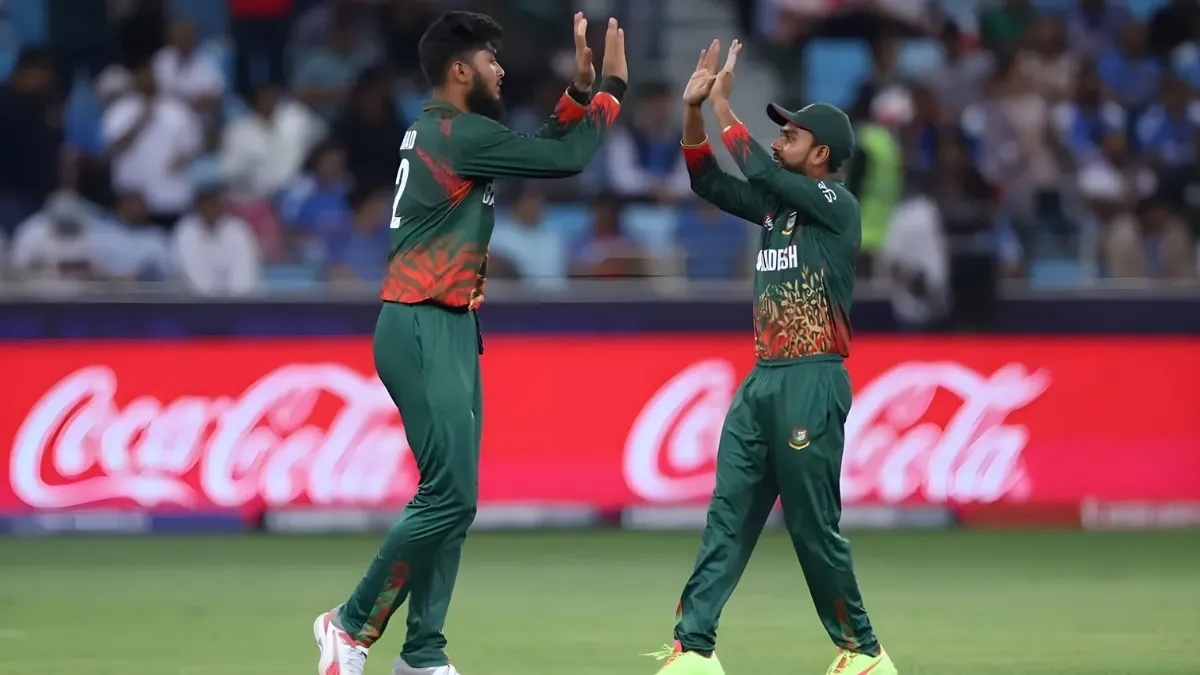
The incident occurred during a tense moment in the Bangladesh vs Pakistan series decider, which ultimately saw Bangladesh secure an 11-run victory and win the three-match ODI series 2-1.
A thrilling showdown ends with the Tigers claiming victory over Pakistan! From fiery bowling to stellar batting, every moment brought the crowd to its feet. Celebration, passion, and pride.#BCB #Cricket #Bangladesh #Pakistan #ODI pic.twitter.com/8a9pfgncBW
— Bangladesh Cricket (@BCBtigers) March 15, 2026
Controversy Erupts in Final Moments of Bangladesh vs Pakistan ODI
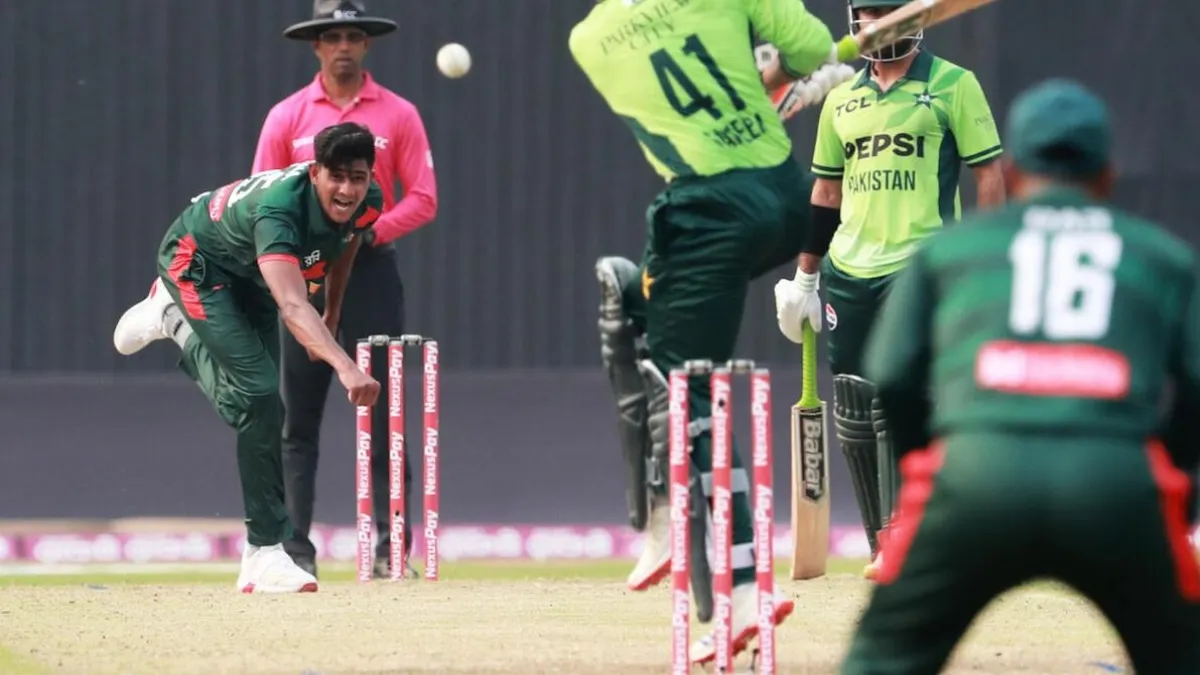
The disputed moment took place in the final over of the match when Pakistan were chasing a challenging target. With just two deliveries remaining, Pakistan required 12 runs to win.
Bangladesh spinner Rishad Hossain delivered a ball that passed Pakistan fast bowler Shaheen Shah Afridi on the leg side. The on-field umpire initially signaled it as a wide, which would have given Pakistan an extra run and another delivery.
However, immediately after the call, Bangladesh players gathered to discuss the situation. Following their discussion, they decided to take a DRS review for LBW.
Pakistan’s team management claims that the Bangladesh players requested the review after the replay had already been shown on the stadium screen, suggesting that the players may have relied on televised footage before making their decision.
Pakistan Claims DRS Protocol Was Not Followed
One of Pakistan’s main objections in the Bangladesh vs Pakistan dispute is related to the correct use of the Decision Review System.
According to DRS rules in international cricket, the decision to request a review must be made solely by the players on the field without outside assistance. Teams are not allowed to rely on replays displayed on stadium screens or television broadcasts before deciding whether to challenge the umpire’s decision.
Pakistan officials argue that Bangladesh’s review appeared to come after the replay showing the ball passing near the bat had already been displayed, which would constitute a violation of the review protocol.
Another issue raised by Pakistan involves the 15-second time limit allowed for teams to request a review. The Pakistan camp claims that Bangladesh did not appear to follow this time restriction.
However, television broadcasts did not show an on-screen timer during the moment, making it difficult for viewers to confirm whether the review request fell within the allowed time frame.
DRS Outcome Changes Match Equation
When the review process began, technology including Hawk-Eye and UltraEdge was used to analyze the delivery.
The replay revealed that the ball had brushed the lower part of Shaheen Afridi’s bat before passing behind him. As a result, the initial wide call was reversed, because the ball had made contact with the bat.
While Bangladesh’s LBW appeal itself was rejected, the removal of the wide call dramatically altered the match equation.
Instead of receiving an additional run and an extra delivery, Pakistan were left needing 12 runs from the final ball.
Shaheen Afridi Stumped on Last Ball
The dramatic finish to the Bangladesh vs Pakistan match came on the very last delivery.
Attempting an aggressive shot to keep Pakistan’s hopes alive, Shaheen Shah Afridi advanced down the pitch. However, he missed the ball and was stumped by the wicketkeeper, ending Pakistan’s chase.
Bangladesh went on to win the match by 11 runs, securing the series victory 2-1 in front of a passionate home crowd at the Sher-e-Bangla National Cricket Stadium in Mirpur.
PCB Demands Public Acknowledgment of Error
Following the controversial finish, the Pakistan Cricket Board (PCB) reportedly took the matter seriously and raised the issue with the match referee.
According to sources within the Pakistan camp, the PCB believes that an error occurred either in the umpiring decision or in the application of DRS protocols.
Pakistan’s argument centers on the belief that if the delivery had remained a wide, they would have received:
- One additional run
- One extra delivery
This, according to Pakistan officials, could have potentially changed the outcome of the match.
Reports suggest that the PCB wants the match referee to acknowledge publicly if any procedural mistake was made during the controversial moment.
Second Umpiring Controversy in Bangladesh vs Pakistan Series
This is not the first time controversy has surfaced during the Bangladesh vs Pakistan ODI series.
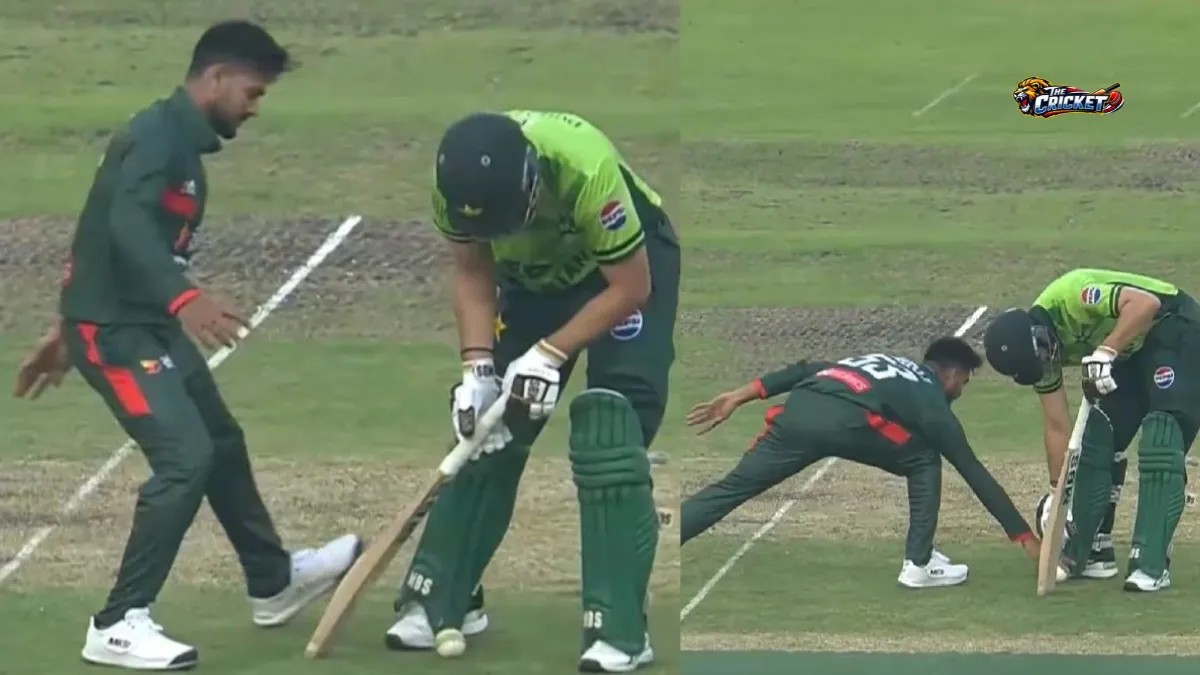
Earlier in the second ODI, another heated debate erupted over the dismissal of Salman Agha.
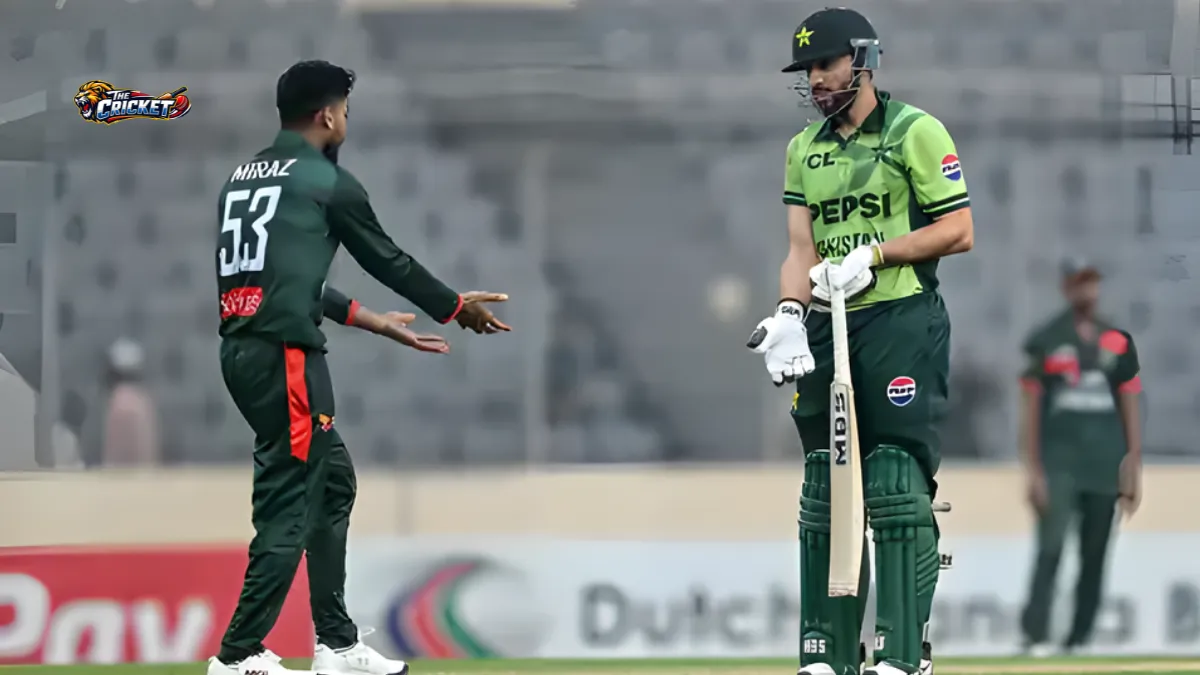
During that match, Agha had stepped out of his crease while attempting to hand the ball to Bangladesh all-rounder Mehidy Hasan Miraz. At that moment, he was run out, a decision that triggered strong reactions from the Pakistan camp.
The incident led to disciplinary action from match officials. Salman Agha was fined 50% of his match fee for his reaction to the dismissal, while Mehidy Hasan Miraz was also penalized with a 20% fine for his involvement in the situation.
A Dramatic End to the Bangladesh vs Pakistan ODI Series
Despite the controversies, the Bangladesh vs Pakistan ODI series delivered intense cricket and dramatic finishes.
Bangladesh ultimately emerged victorious in the series 2-1, demonstrating resilience in key moments and capitalizing on home conditions. However, the disputed decision in the final match has sparked renewed debate about DRS protocols, umpiring consistency, and the role of technology in modern cricket.
As discussions continue, the incident serves as another reminder of how small decisions in the final moments of a match can significantly influence the result, especially in tightly contested international series.
Cricket fans around the world will now wait to see whether the match referee or the International Cricket Council (ICC) provides further clarification regarding the controversy surrounding the dramatic finale of the Bangladesh vs Pakistan series.