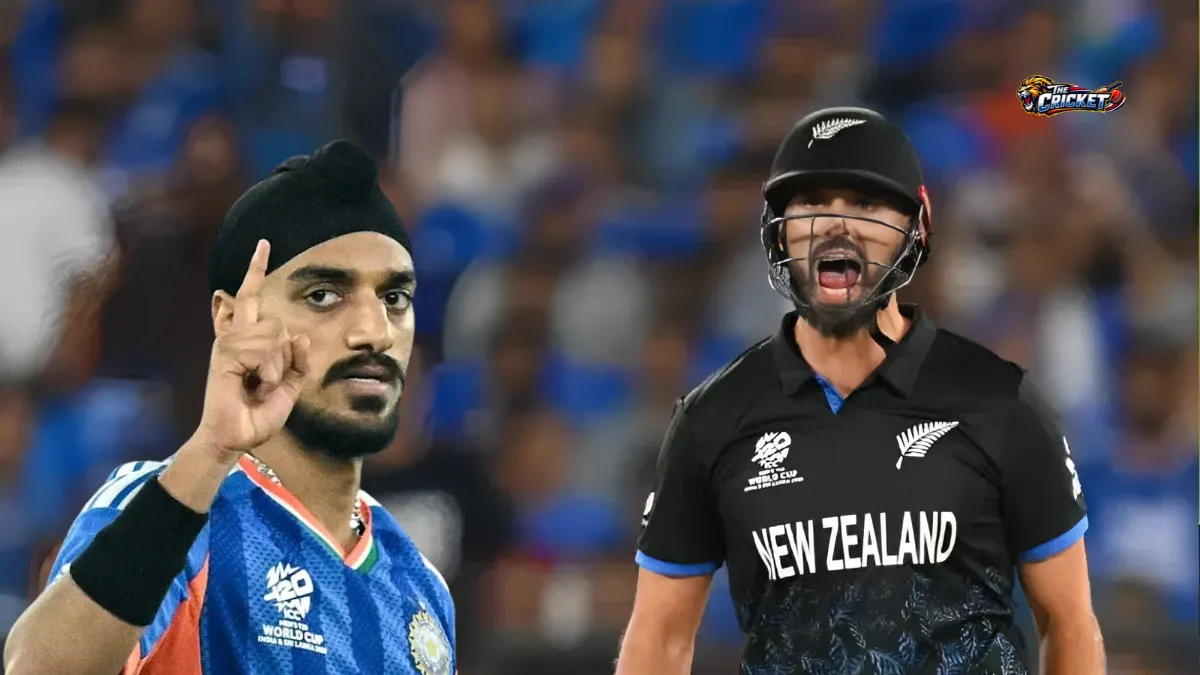
Arshdeep Singh Fined: The T20 World Cup 2026 final between India national cricket team and New Zealand national cricket team at the iconic Narendra Modi Stadium produced thrilling cricket and intense emotions. However, apart from the high-stakes battle for the trophy, one particular on-field incident caught the attention of fans and officials alike.
During the match, Indian fast bowler Arshdeep Singh was involved in a tense moment with New Zealand batter Daryl Mitchell. Following the incident, the International Cricket Council (ICC) took disciplinary action, and Arshdeep Singh fined became one of the most talked-about headlines after the final.
The ICC later confirmed that the Indian pacer had breached the governing body’s Code of Conduct, resulting in a monetary penalty and a demerit point.
India pacer fined for breaching the ICC Code of Conduct during the #T20WorldCup Final.https://t.co/NbnGMkIbzE
— ICC (@ICC) March 10, 2026
Tense Moment During the High-Pressure Final
The final of the ICC Men’s T20 World Cup was played on Sunday in front of a packed crowd in Ahmedabad. The match carried enormous pressure as both teams battled for the prestigious global title.
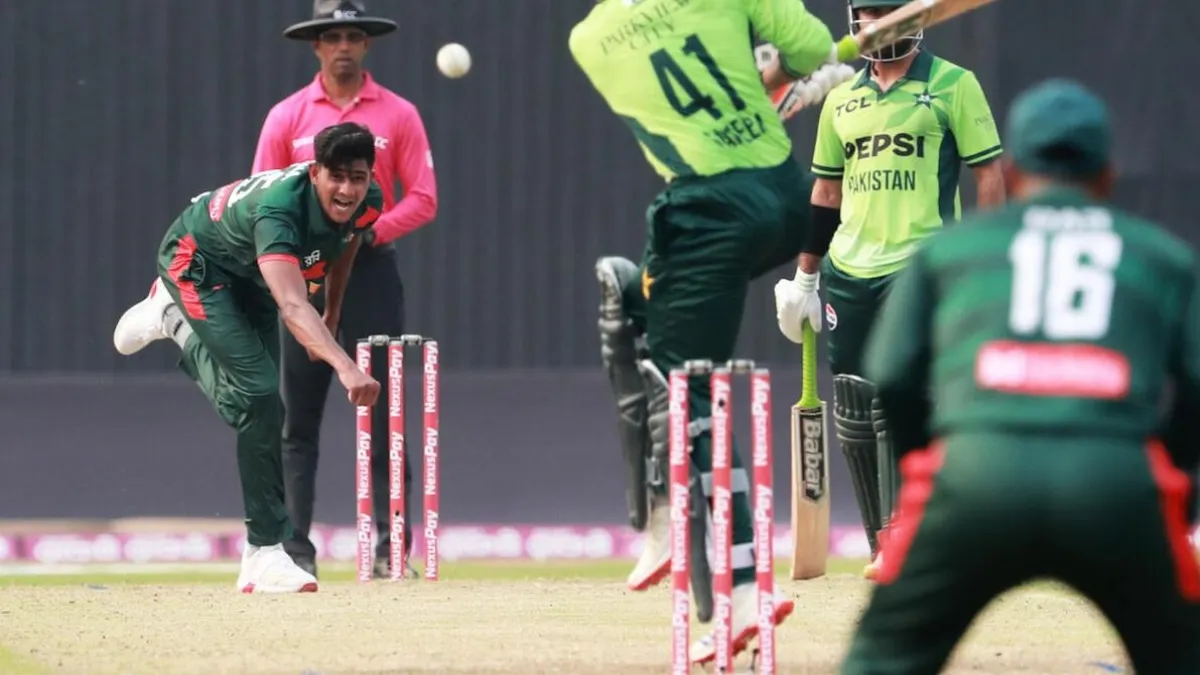
While the game was progressing intensely, a controversial moment unfolded during New Zealand’s run chase. In the 11th over of the innings, Arshdeep Singh was bowling when New Zealand’s Daryl Mitchell played a straight shot back towards the bowler.
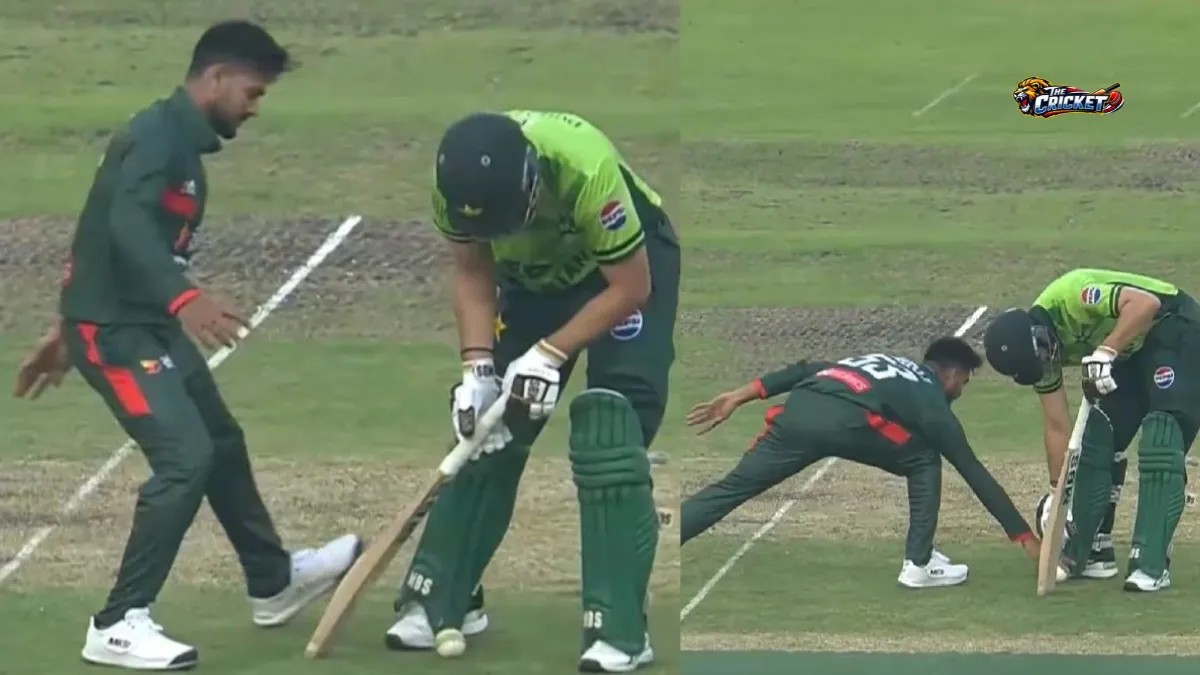
Arshdeep managed to stop the ball in his follow-through. However, what happened next sparked controversy. After fielding the ball, the Indian fast bowler threw it back in the direction of Mitchell. The ball struck the New Zealand batter on his pads, which immediately created tension between the two players.
Although the action lasted only a few seconds, it was enough to trigger a brief exchange on the field and draw the attention of the match officials.
On-Field Exchange Between Arshdeep and Mitchell
The heated moment between Arshdeep Singh and Daryl Mitchell. pic.twitter.com/FHvEMgD2Fg
— Mufaddal Vohra (@mufaddal_vohra) March 8, 2026
After being hit by the throw, Daryl Mitchell appeared visibly annoyed. The situation escalated momentarily as both players exchanged words in the middle of the pitch.
For a short period, the atmosphere on the field became tense, with teammates and officials closely observing the situation. However, the confrontation did not spiral out of control.
According to reports, Arshdeep Singh soon realized that his action had crossed the line. The Indian pacer approached Mitchell and apologized for the incident. The gesture helped defuse the situation, and play resumed without further disruption.
By the end of the match, both players had resolved the matter amicably, and there were no lingering issues between them.
ICC Confirms Code of Conduct Breach
After reviewing the incident, the International Cricket Council announced that Arshdeep Singh had violated Article 2.9 of the ICC Code of Conduct for players and player support personnel.
This particular rule deals with throwing a ball or any cricket equipment at or near another player in an inappropriate or dangerous manner during an international match.
Even though the act did not cause injury, the ICC considered it a breach of sportsmanship and discipline. As a result, the governing body categorized the offense as a Level 1 violation, which typically carries lighter penalties but still serves as an official warning to the player involved.
Arshdeep Singh Fined 15 Percent of Match Fee
Following the ruling, the ICC confirmed that Arshdeep Singh fined as part of the disciplinary action. The Indian fast bowler was penalized 15 percent of his match fee for the incident.
In addition to the monetary fine, one demerit point was added to his disciplinary record. According to ICC regulations, demerit points remain on a player’s record for 24 months.
If a player accumulates multiple demerit points within that time frame, the penalties can escalate to suspension from international matches. However, this was Arshdeep Singh’s first offense within the last two years, meaning the consequences remain limited for now.
Match Officials Responsible for the Charge
The charge against Arshdeep Singh was brought forward by the on-field and match officials overseeing the final.
The officiating team included on-field umpires Richard Illingworth and Alex Wharf, third umpire Allahudien Paleker, and fourth umpire Adrian Holdstock.
After reviewing the footage and match situation, the officials concluded that the act violated the ICC’s code governing player conduct.
The case was then handled by an ICC Elite Panel match referee, who delivered the final verdict and penalty.
Arshdeep Accepts the Sanction
One key factor that helped resolve the matter quickly was Arshdeep Singh’s decision to accept the penalty without contesting it.
By admitting to the breach and accepting the sanction proposed by the match referee, the Indian pacer avoided the need for a formal disciplinary hearing.
Under ICC rules, if a player accepts the sanction proposed by the referee, the case is considered closed immediately. This means the incident was settled swiftly, allowing both teams to move on from the controversy.
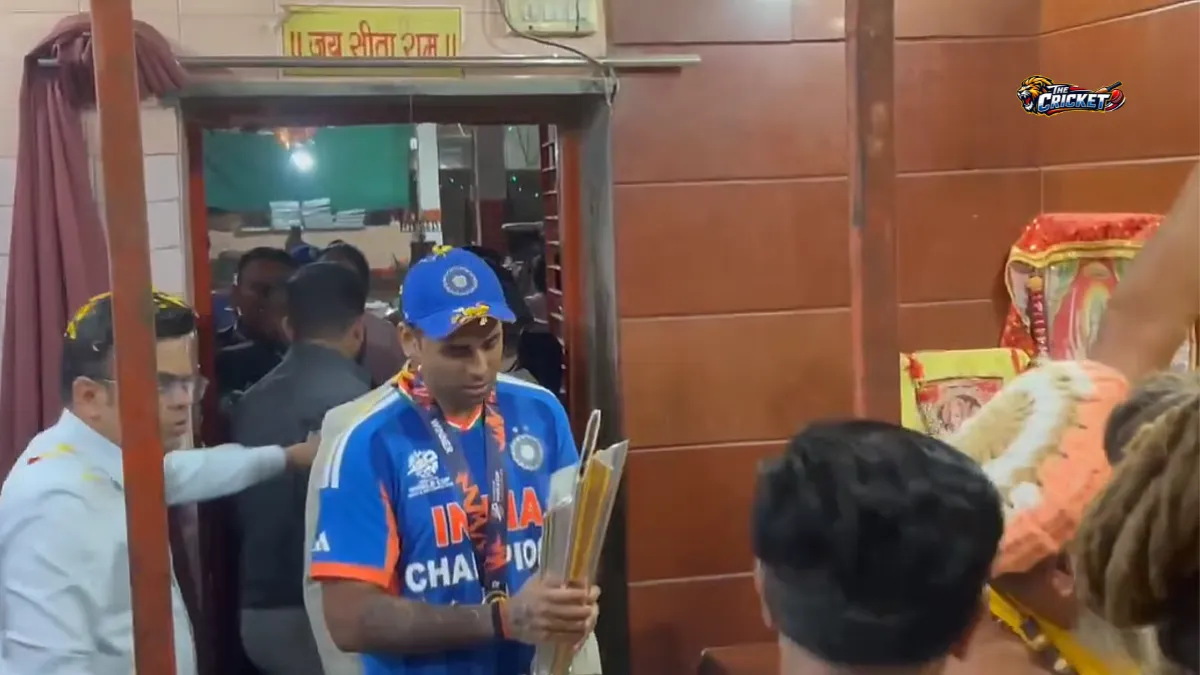
Also read: Kirti Azad Criticises Surya Kumar Yadav and Jay Shah Over Temple Visit With T20 World Cup Trophy
Focus Returns to Cricket After the Incident
Despite the brief controversy, the final itself remained a memorable occasion for cricket fans. The match showcased high-quality performances from both sides and maintained the intensity expected from a World Cup final.
While the Arshdeep Singh fined episode grabbed headlines after the match, the situation was handled professionally by both players and officials. The quick apology from Arshdeep and the calm response from Mitchell ensured that the moment did not overshadow the spirit of the game.
Incidents like these are not uncommon in high-pressure international matches, especially during major tournaments where emotions often run high. However, cricket’s governing bodies continue to emphasize discipline and respect between players.
For Arshdeep Singh, the penalty serves as a reminder to maintain composure during intense moments. With his growing role in India’s pace attack, the young bowler remains an important figure in the team’s future plans.
As the dust settles on the thrilling T20 World Cup 2026 final, fans will remember both the electrifying cricket and the lessons about sportsmanship that followed.