As the ICC Men’s T20 World Cup 2026 reaches its most decisive stage, attention has firmly shifted to the T20 World Cup 2026 Semi Finals. With four top teams ready to battle for a place in the grand finale, excitement is at its peak. However, alongside the anticipation comes a familiar concern in international cricket — rain.
Weather disruptions have already impacted the tournament, leaving fans anxious about what might happen if the semi-finals or final are affected. To address these concerns, the International Cricket Council (ICC) has confirmed reserve days for the knockout matches, ensuring that rain does not unfairly decide the fate of the tournament.
Here’s everything you need to know about the reserve days, rules, timings, and what happens if bad weather interrupts the T20 World Cup 2026 Semi Finals.
Four Teams Set for the Semi-Finals
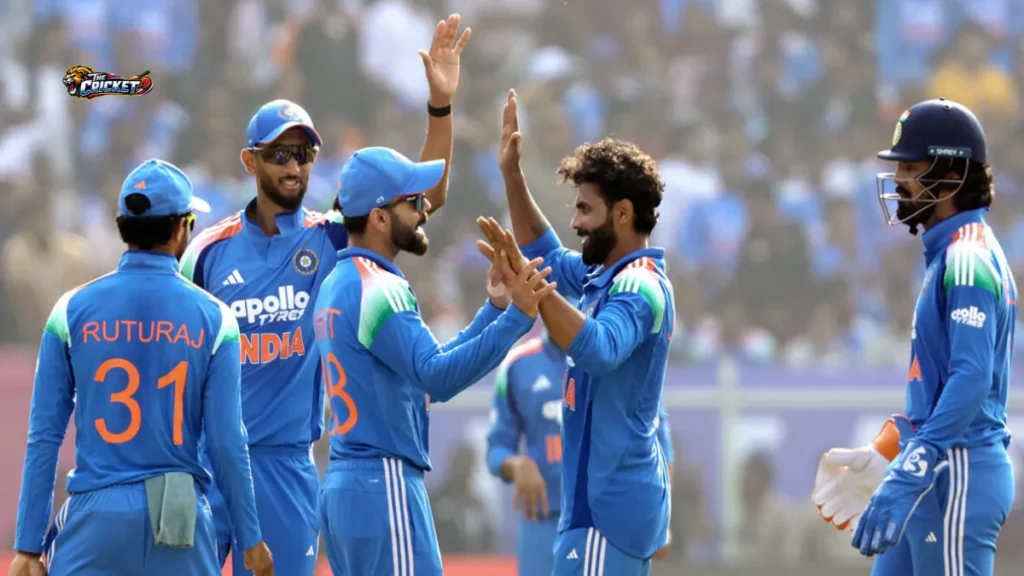
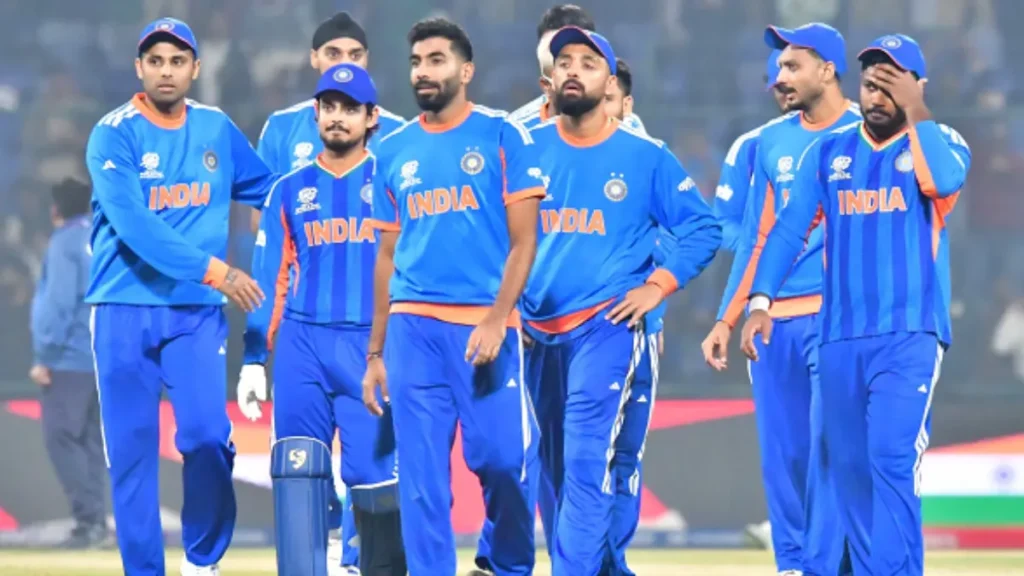
The road to the knockouts has been fiercely competitive. Defending champions India booked their place in the semi-finals after a commanding run chase against West Indies in the Super Eights stage. The two-time champions England also secured qualification and are set to face India in what promises to be a high-voltage clash.
Meanwhile, unbeaten South Africa will go head-to-head with New Zealand, a team known for thriving under knockout pressure.
With such strong contenders remaining, the stakes couldn’t be higher. But what if rain intervenes?
Weather Concerns in T20 World Cup 2026
Earlier in the tournament, two matches were washed out without a single ball being bowled. One of the most talked-about washouts involved Pakistan’s Super Eight fixture against New Zealand on February 21. These incidents have understandably raised concerns among supporters, especially as the tournament enters its most crucial phase.
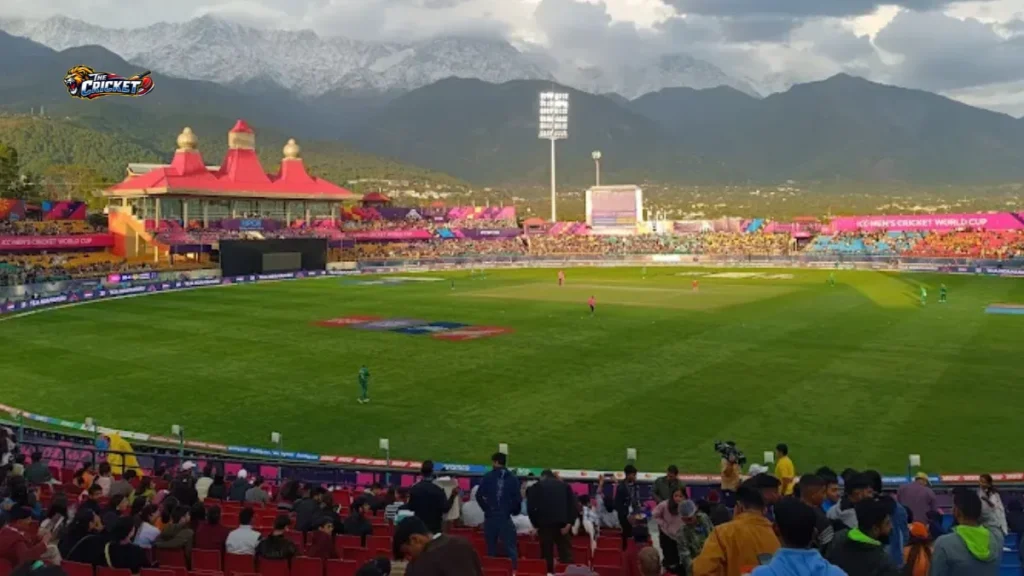
Although the semi-finals are scheduled to take place in India — a country known for hosting high-profile cricket events — weather unpredictability remains a possibility during this time of year.
To prevent a repeat of earlier disappointments, the ICC has introduced clear contingency measures.
T20 World Cup 2026 Semi Finals: Reserve Day Schedule
The ICC has officially allocated reserve days for both semi-finals and the final. This means if rain prevents a result on the scheduled day, the match will continue the following day.
Below is the complete schedule for the T20 World Cup 2026 Semi Finals and Final:
| Match | Teams | Scheduled Date | Reserve Day | Venue |
|---|---|---|---|---|
| Semi-Final 1 | South Africa vs New Zealand | March 4 (7:00 PM IST) | March 5 (3:00 PM IST) | Eden Gardens |
| Semi-Final 2 | India vs England | March 5 (7:00 PM IST) | March 6 (3:00 PM IST) | Wankhede Stadium |
| Final | TBD vs TBD | March 8 (7:00 PM IST) | March 9 (7:00 PM IST) | Narendra Modi Stadium |
Key Timing Changes on Reserve Days
If a match moves to the reserve day:
- Semi-final reserve matches will start earlier at 3:00 PM IST instead of 7:00 PM IST.
- The final’s reserve day will maintain the same 7:00 PM IST start time.
These adjusted timings are designed to provide sufficient daylight and maximize the chance of completing the match.
How Do Reserve Days Work?
The ICC has laid out detailed regulations to ensure that matches reach a fair conclusion.
Additional Playing Time
For the semi-finals:
- 90 minutes of extra time will be available on the original match day.
- 120 minutes of additional time will be available on the reserve day.
For the final:
- 120 minutes of extra time will be available on both the scheduled day and the reserve day.
This buffer allows match officials to extend play if rain causes temporary interruptions.
Minimum Overs Requirement for a Result
In T20 cricket, a minimum number of overs must be bowled to declare a result.
- At least 10 overs per team must be completed.
- If rain forces a reduction in overs, the match will follow the Duckworth-Lewis-Stern (DLS) method.
- If 10 overs per side cannot be completed on the scheduled day, the match will resume on the reserve day from where it was stopped.
Importantly, the match does not restart from scratch. It continues from the exact point of suspension, with the remaining overs still available.
What Happens If the Reserve Day Is Also Washed Out?
This is the most crucial question for fans.
If both the scheduled day and the reserve day are completely washed out — and the minimum overs requirement is not met — the team that finished higher in the Super Eights standings will automatically progress to the final.
This rule ensures that consistent performance in the earlier stages of the tournament is rewarded.
Why Reserve Days Are Critical for Knockout Matches
Knockout matches in ICC tournaments carry enormous weight. Unlike group-stage matches, there is no second chance. A rain-affected semi-final without a reserve day could unfairly eliminate a deserving team.
By allocating reserve days, the ICC aims to:
- Maintain competitive integrity
- Ensure a result is decided on the field
- Protect the tournament’s credibility
- Offer fans a complete cricketing spectacle
Given the global attention on the T20 World Cup 2026 Semi Finals — particularly from major cricket markets such as the UK and the US — ensuring a fair outcome is paramount.
Also read: Sanju Samson’s Masterclass Powers India Into T20 World Cup Semi-Finals
High Stakes at Iconic Venues
The semi-finals and final are set to be played at three of India’s most iconic cricket venues.
- Eden Gardens has historically hosted unforgettable knockout clashes.
- Wankhede Stadium is known for high-scoring thrillers.
- Narendra Modi Stadium, the world’s largest cricket stadium, will host the grand finale.
Each venue is fully equipped with modern drainage systems, but unpredictable weather always remains a factor in outdoor sport.
Also read: Semifinal World Cup 2026 Line-Up Confirmed After India Knock Out West Indies
Conclusion: What Fans Should Expect
The T20 World Cup 2026 Semi Finals promise blockbuster encounters — India vs England and South Africa vs New Zealand — featuring some of the best talent in world cricket.
While weather concerns are natural, the ICC’s clear reserve day policy provides reassurance that these high-stakes matches will not be decided by rain alone.
With extra playing time, structured regulations, and backup dates in place, fans can look forward to a fair and thrilling conclusion to one of the most competitive T20 World Cups in recent memory.
All eyes now turn to the semi-finals, where four teams remain — but only two will earn the right to step onto the field in Ahmedabad for the ultimate showdown.